
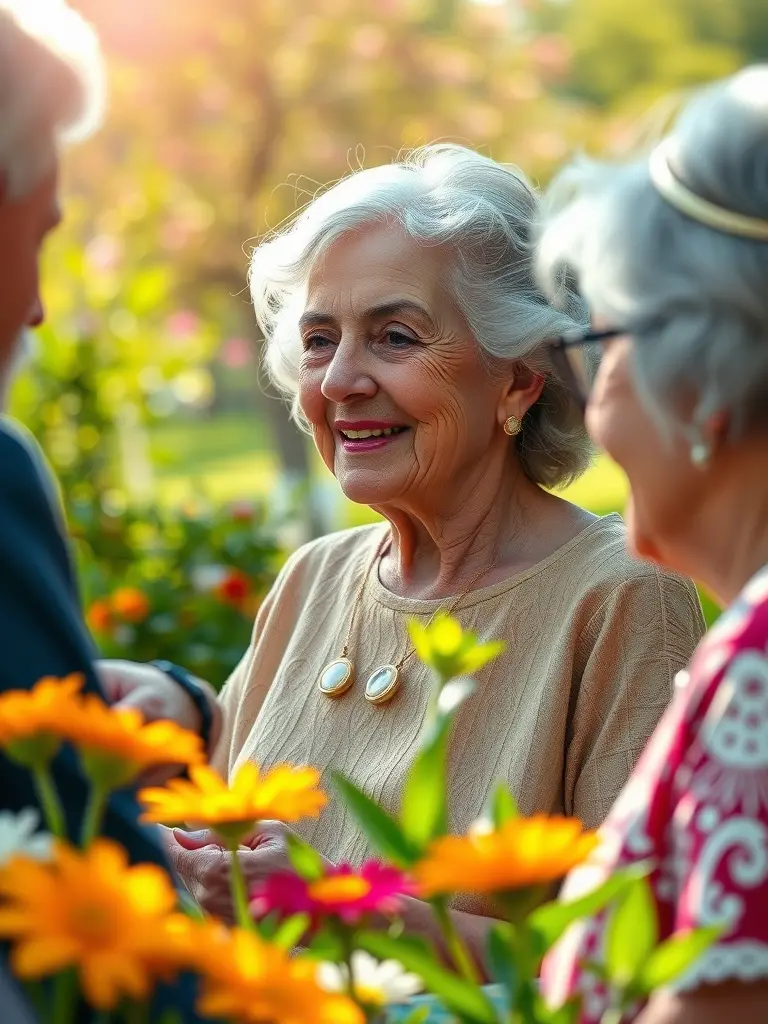
During the menopause process, both men and women experience a series of physical and psychological changes that may lead to a decrease in social activity participation. This reduction in social activities not only affects social circles but may also increase the risks of aging and health problems. Therefore, how to actively participate in social activities during menopause and improve physical and mental health becomes an important issue.
Firstly, we need to understand in depth the physiological and psychological challenges individuals may face during menopause. The problems faced by men and women at this stage of life are different. Common symptoms for women include hot flashes, insomnia, and mood swings, which can affect their participation in social activities. Men, on the other hand, may experience issues such as decreased sexual function and physical decline, which can also impact their social lives.
The reduction in social activity participation may stem from concerns about one’s health status, as well as potential awkward situations that may arise in social contexts. These situations not only affect mental health, but may also lead to feelings of isolation and anxiety. At this time, the psychological mechanism of self-protection becomes particularly prominent; however, excessive self-protection may cause individuals to distance themselves from social activities they once enjoyed, forming a vicious cycle.
To address these issues, various measures can be taken to alleviate physical and mental decline and lead a radiant life. Here are some effective social strategies and solutions.
### 1. Techniques to Reduce Social Anxiety
For those who feel anxious due to health issues, some simple psychological exercises can be used to increase confidence in participating in social activities. For example:
- **Visualization Exercises**: Before attending social activities, spend a few minutes imagining yourself actively participating in the event and feeling the joy of interacting with others.
- **Positive Self-talk**: Give yourself positive encouragement, reminding yourself that each social engagement is an opportunity for growth, which can reduce negative emotions about social activities.
### 2. Create a Comfortable Social Environment
Participating in small gatherings or interest groups can reduce stress, as these settings are typically more relaxed and interactive. In this environment, individuals have more opportunities to connect with others without being affected by large crowds or tense atmospheres.
- **Interest Groups**: Choose activities related to your interests, such as art, sports, or cultural exchange groups. These activities not only help pass the time but also assist participants in establishing new friendships.
### 3. Cultivate Healthy Habits
Physical and mental health directly affects the willingness to participate in social activities. Below are some suggested healthy habits that can effectively boost confidence in participating in social events.
- **Regular Exercise**: Moderate exercise can enhance bodily functions and improve mental state. It is recommended to choose some low-intensity exercises like walking, yoga, or swimming, at least three times a week for more than 30 minutes each time. After persisting for a while, noticeable improvements will be felt.
- **Balanced Diet**: Diet is an important factor affecting physical condition; consuming foods rich in vitamins and minerals significantly benefits overall health. In particular, foods high in Omega-3 fatty acids are especially effective in reducing anxiety and depressive symptoms.
- **Adequate Sleep**: Adults typically require 7-9 hours of sleep each night. Ensuring high-quality sleep helps activate the immune system, improves mental health, and increases willingness to participate in social activities.
### 4. Utilize Technology
With the development of technology, numerous social platforms and applications allow you to participate in social activities easily. This provides a good alternative for those who prefer not to engage in face-to-face conversations.
- **Online Communities**: Join interest groups or forums, such as online book clubs, gaming chat groups, or craft discussion groups, which enable interaction anytime and anywhere, gradually overcoming social anxiety.
### 5. Seek Professional Help
Sometimes, barriers to participating in social activities come from deep-seated psychological issues. In such cases, it may be beneficial to seek professional psychological counseling. Psychological experts can help individuals explore their emotional struggles and provide targeted coping strategies through therapy.
### 6. Social Practice and Application
For those who feel uneasy in social settings, social practice will be an effective way to improve skills. Choose smaller social settings to attend with familiar friends, using this opportunity to gain support from companions and gradually adapt to the social environment.
### 7. Participate in Volunteer Activities
Volunteering is an activity that can help others while also boosting one's own social confidence. Engaging in social welfare activities can establish emotional connections with others and enhance one's perceived value.
### Conclusion
Regardless of gender, the physiological and psychological challenges faced during menopause are similar, with only the manifestation differing. Actively participating in social activities not only improves mental health but also enhances overall quality of life. Through effective social strategies, healthy lifestyle habits, and professional guidance, most people can overcome the challenges brought by menopause and lead a better life. Maintaining an optimistic attitude and actively seeking suitable solutions can help individuals rediscover vitality and joy in this stage of life.