
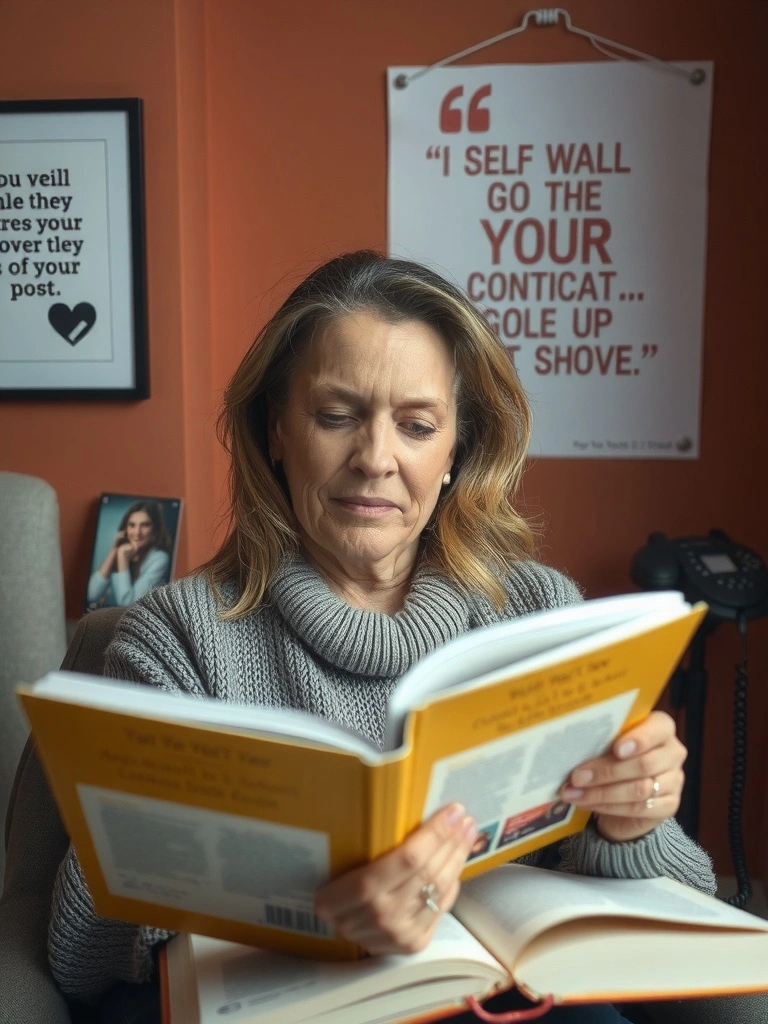
During the menopausal stage, both men and women face multiple physical and psychological challenges, among which the wavering of self-identity and confidence, diminished communication skills, low self-evaluation, and the social and workplace troubles brought about by the inability to overcome internal barriers are significant issues that trouble many in this stage. These phenomena often create a vicious cycle of cause and effect, and if not properly addressed, they can have profound impacts on quality of life, family relationships, and even career development. This article will analyze the possible causes of the issues mentioned from a professional perspective and provide coherent and specific recommendations based on relevant literature to assist men and women in the menopausal stage in developing effective communication habits, strengthening self-identity and confidence, and ultimately successfully overcoming internal barriers to embrace a new phase in life.
I. Causes of Self-Identity and Confidence Undermined During Menopause
1. Dramatic Physiological Changes
Women experience significant hormonal fluctuations during menopause, with declines in estrogen and progesterone levels causing menstrual cycle irregularities and pronounced signs of aging (dry skin, hot flashes, sleep disturbances, etc.), leading to a sense of frustration about feeling no longer young and vibrant. Meanwhile, men, with decreasing testosterone levels over the years, may feel diminished vitality, declining sexual function, muscle loss, and memory degradation.
These noticeable changes often trigger doubts regarding “whether one is losing value,” further hindering personal affirmation and self-identity.
2. Discrepancies in Social Role Recognition and Expectations
Within family and workplace contexts, traditional views often expect men to be the breadwinners and women to be the core of family care. When physical and emotional states inevitably change, especially during caregiving, parenting, or workplace competition, feelings of inadequacy may arise, leading to anxiety over “self dysfunction,” which further shakes confidence.
3. Emotional Dysregulation and Accumulated Stress
Menopause is often accompanied by emotional dysregulation such as anxiety, depression, irritability, and moodiness, with such symptoms affecting both men's and women's emotional regulation, further leading to decreased desire for communication and inadvertently lowering self-evaluation.
4. Past Self-Value Tied to External Performance
Many individuals have tied their self-worth to external goals (such as career achievements, children's performance, physical appearance, etc.) during their youth. As these external markers gradually fade during menopause, the absence of new strategies for rebuilding self-worth can easily lead to confusion, anxiety, and a drop in confidence.
5. Internal Critical Voices and Self-Restrictions
Life experiences, family upbringing, or societal expectations give rise to self-doubting voices such as “I’m not good enough” or “I’m no longer needed,” or relentless demands for perfection, building formidable internal barriers that are tough to breach.
II. How to Protect Oneself: Establishing Healthy Self-Identity
1. Correct Understanding of Menopause as a Natural Life Process
Accept and understand that menopause is a natural phenomenon in life, experienced by both men and women, and not an end or decline, but a process toward maturity and wisdom.
Daily self-awareness practices are recommended, such as facing oneself in the mirror and saying affirming statements like, “I am taking care of myself with sincerity,” or “I have unique life experiences.”
2. Diary Reflection Practice
Both men and women are encouraged to spend 10 minutes each day recording emotional fluctuations, physical sensations, and the small things they are proud of throughout the day, reflecting on the growth these changes have brought. For example, noting how they adjusted their routines to improve sleep quality or how they have been supportive of friends.
Research shows that maintaining a reflective diary long-term helps reinforce self-efficacy beliefs and positively boosts confidence.
3. Diversifying Self-Value
Explore interests, participate in community or online courses, engage in volunteer activities, pursue artistic creation, or gardening to cultivate additional sources of achievement in life, rather than tying self-worth solely to a specific external performance.
Implement a “monthly new challenge” system to try different leisure activities and invite family and friends to participate, expanding avenues for self-identity.
III. Enhancing Communication Skills: From Self-Awareness to Effective Interaction
1. Active Self-Expression Training
For common communication difficulties like irritability, suppression, or vagueness, men and women are advised to practice the following process:
- Mood Marking: Practice expressing one’s feelings (e.g., “I feel very tired” instead of “You always make me frustrated”)
- Clear Intent: Directly state needs (e.g., “I need some personal time”)
- Non-Aggressive Language: Start statements with “I” to express feelings and needs, reducing blame language like “Why do you...”.
- Providing Feedback: “I heard you say..., I feel…” to enhance understanding of each other’s perspectives.
Schedule at least one “emotional moment” practice weekly with intimate family or friends, taking turns sharing thoughts using the above principles. Research indicates that practicing this communication method consistently can significantly increase interpersonal intimacy and self-expression confidence.
2. Listening and Awareness Training
This can be divided into two levels:
(1) Listening to the other person’s words and emotional cues, such as noticing their tone of voice, facial muscle movements, and other non-verbal signals;
(2) Internally listening to one’s own emotions and physiological reactions, calming tense feelings when necessary.
Mindfulness meditation techniques can be used, focusing for 10-15 minutes daily on breathing and physical sensations while practicing being aware of internal fluctuations during communication to avoid reflexive emotional responses.
3. Confident Oral Practice
Systematically conduct training to build confidence, especially when avoiding eye contact, having trembling voices, or evading the subject in communication.
- Choose short sentences to express daily states and practice repeatedly in front of a mirror.
- Simulate various social scenarios, record one’s voice for playback, and correct details like speech pace, volume, and body language.
- Consider attending public speaking training classes or online communication courses to practice with peers and receive feedback.
IV. In-Depth Exploration of the Nature of Low Self-Evaluation and Breakthrough Strategies
1. Internal Criticism and Self-Liberation
Low self-evaluation is closely related to the internal critical voice, often shaped by past experiences, family upbringing, or social standards. For this phenomenon, it is recommended to:
- Invite a psychological counselor to use “inner child” therapy techniques to help individuals understand the sources of these critical voices;
- Whenever the self-critical voice arises, use “acceptance and acknowledgment” instead of “self-denial,” telling oneself: “I allow myself to have these doubts, but I also see my efforts.”
2. Practical Actions to Reinforce Self-Evaluation
Adopt goal-setting and reward mechanisms, such as setting weekly self-improvement goals (e.g., exercise, reading, social interactions) and rewarding oneself with small treats upon achieving them, gradually accumulating confidence through small daily victories.
3. Sound Therapy to Alleviate Low Self-Evaluation
It is recommended to use natural music at a frequency of 528 Hz (such as calming piano, flowing water sounds, bird songs, etc.), as research suggests this frequency effectively stimulates the release of dopamine in the brain, alleviating anxiety and self-denial emotions.
Listening for 15 minutes each morning and evening in a quiet, comfortable environment, focusing on the flow of music, can help rebuild self-worth.
4. Written Self-Affirmation Practice
Write down three things to appreciate about oneself each day. For example, “I attended the morning meeting on time today,” “I greeted my neighbor warmly,” “I brewed myself a good pot of tea.” Actively recording can help one see positive segments of life, reversing a long-term tendency toward low self-evaluation.
V. Overcoming Internal Barriers to Build Effective Communication and Confidence Habits
1. Exposing and Transforming Limiting Beliefs
During the menopausal stage, both men and women are prone to limiting beliefs like “I can’t improve at my age” or “I can’t keep up with the trends.” It is recommended to:
- Draw a “limiting belief map,” writing down negative self-limiting phrases that arise in the mind, and challenge the reality of each belief;
- For each negative belief, supplement it with a positive alternative statement, such as: “Getting older also means having rich life experiences and wisdom.”
2. Natural Therapeutics for Body and Mind
- Regular exercise (such as brisk walking, yoga, dancing): at least three times a week for 30 minutes each time can enhance the secretion of endorphins and dopamine, strengthening confidence and positive emotions.
- Herbal teas (such as chamomile tea, rose tea): one to two cups daily can help alleviate emotional anxiety.
- Aromatherapy (such as lavender or sweet orange essential oil): add three to five drops of essential oil during foot soaking in warm water, or use a diffuser for 30 minutes to relax nerves, reduce stress, and clarify thoughts.
3. Professional Psychological Therapy and Group Dynamics
- Consult a psychologist and participate in menopause-specific group counseling sessions to share challenges and experiences, experiencing peer support while rebuilding confidence and social connections.
- Practice Mindfulness-Based Stress Reduction (MBSR) courses, learning to bring awareness into daily interactions, as neurological research has proven effective in improving stress regulation and self-acceptance abilities.
4. Self-Improvement Plan
- Set monthly learning goals for new skills (such as painting, languages, cooking, appliance maintenance, etc.)
- Encourage participation in community service and volunteer activities to use personal experiences to help others, effectively enhancing one’s sense of existence and affirmation of social roles.
VI. Diverse Solutions and Strategies for Continuous Growth
1. Combine Medical and Non-Medical Solutions
If menopausal symptoms severely affect emotions and life, consider consulting an endocrinologist:
- Women can discuss the risks and benefits of hormone replacement therapy, while men may consider testosterone replacement;
- Simultaneously combine the non-pharmaceutical self-help and natural therapies outlined earlier (such as sound therapy, mindfulness, aromatherapy, etc.) to create a comprehensive treatment plan tackling both psychological and physiological pressures.
2. Family and Workplace Support Mechanisms
- Implement “compassionate dialogue” practices within the family to candidly share personal growth and difficulties, enhancing understanding and support.
- Workplace supervisors can arrange regular health management seminars and set up resources for employee mental and physical support during menopause, offering appropriate flexible arrangements and psychological counseling services.
3. Willingness to Seek Help and Continuous Learning
- Be willing to seek assistance from friends, family, or professional psychological counselors, and not suffer from pressure alone.
- Subscribe to professional journals, follow trusted health courses or communities to continuously infuse new ideas and overturn outdated self-limitations.
Conclusion
Entering menopause is not an endpoint but the beginning of another rich life phase. Facing self-identity and confidence issues head-on, mastering communication skills, improving self-evaluation, and daring to challenge internal barriers can enable one to embrace change with ease and showcase a more mature, resilient, and confident self. With evidence-based medicine, natural therapies, and the support of family and community, everyone experiencing this period has the opportunity to establish a brand-new self-identity and effective communication habits, living a remarkable and empowered new chapter in life.