
Cardiovascular Health, Sunbathing, and Outdoor Activities: Comprehensive Protection for Men and Women in Menopause, Prevention of Thrombosis, Enhancing Circulation, and Enjoying the Vitality Brought by Sunshine
Introduction
Menopause is a life stage that every woman, and even men, will experience. This transition is not only accompanied by dramatic physiological hormonal changes but also brings a series of health challenges, particularly concerning cardiovascular health and the risk of thrombosis. As age increases, the hormonal changes in both men and women can affect vascular elasticity, lipid levels, and overall circulatory function. Additionally, modern lifestyles expose people to prolonged environments lacking outdoor activity and sunlight, further exacerbating cardiovascular and thrombosis crises. However, sunbathing and engaging in active outdoor activities harbor significant protective effects that can be scientifically and practically validated. This article will conduct an in-depth analysis of cardiovascular health, the causes and risks of thrombosis, the physical and physiological effects of sunbathing and outdoor activities, along with various non-pharmaceutical and medical solutions and recommendations, providing concrete protective strategies and self-improvement plans.
I. Comprehensive Understanding of Cardiovascular and Thrombosis Issues in Menopause
A. The Connection Between Menopause and Cardiovascular Diseases
Women in menopause lose their natural cardiovascular protection due to a sudden drop in estrogen, leading to issues such as abnormal lipid levels, high blood pressure, atherosclerosis, and arrhythmias. For men, the gradual decrease in testosterone similarly increases cardiovascular risks. Research shows that after entering menopause, the incidence of heart disease and cerebrovascular accidents significantly rises regardless of gender.
B. Risk Factors for Thrombosis
In terms of thrombosis, blood coagulation disorders arise from multiple factors, including increased blood viscosity, endothelial dysfunction, lack of exercise, poor diet, prolonged sedentary behavior (such as prolonged sitting or lying down), excess body weight, high lipid levels or diabetes, etc. During menopause, changes in estrogen or androgens further promote thrombosis, altering the concentration of coagulation factors in the blood, making it difficult for blood to flow and easy to block small blood vessels, increasing the likelihood of venous or arterial embolism.
II. The Scientific Significance of Sunbathing and Outdoor Activities
A. Vitamin D Synthesis and Circulatory Health
Sunlight is the best natural source of vitamin D. When the skin is exposed to UVB rays (290-315nm), subcutaneous cholesterol is converted into vitamin D3, which can be further metabolized by the liver and kidneys, promoting calcium absorption and participating in endothelial repair and anti-inflammatory responses, thereby reducing the risk of atherosclerosis and thrombosis. Frequent outdoor activities not only aid in vitamin D synthesis but also enhance overall blood circulation, preventing blood stasis and viscosity.
B. Enhancing Nitric Oxide (NO) and Vascular Elasticity
Research confirms that moderate sun exposure can enhance the body’s synthesis of nitric oxide. NO is a powerful vasodilator that helps maintain blood pressure, reduces arterial plaque accumulation, and subsequently lowers the risk of cardiovascular diseases and thrombosis. At the same time, walking or exercising outdoors can stimulate cardiopulmonary function, further improving microcirculation and oxygenation of tissues, distancing from cardiovascular threats.
III. Analyzing the Multiple Causes of Thrombosis and Menopause
1. Physiological Causes
(1) Rapid decrease in estrogen (in women) leads to abnormal lipid levels and changes in coagulation mechanisms.
(2) Decreased testosterone in men results in weakened cardiovascular protection.
(3) Endocrine changes lead to autonomic nervous system disorders, causing abnormal vascular constriction.
2. Lifestyle Causes
(1) Prolonged indoor work, lack of exercise, and sunlight exposure.
(2) Diets rich in saturated fats and refined sugars that promote blood viscosity and endothelial damage.
(3) Smoking and excessive alcohol consumption, which damage vascular elasticity.
3. Disease-Related Causes
(1) Metabolic syndrome (high blood pressure, high blood sugar, high lipid levels, and abdominal obesity).
(2) Diabetes increases microvascular blockage and reduces blood flow.
(3) Chronic kidney disease or autoimmune diseases can also influence thrombotic risk.
IV. Non-Medical and Self-Protection Strategies
A. Guidelines for Regular Outdoor Activities
1. Outdoor Walking or Light Running
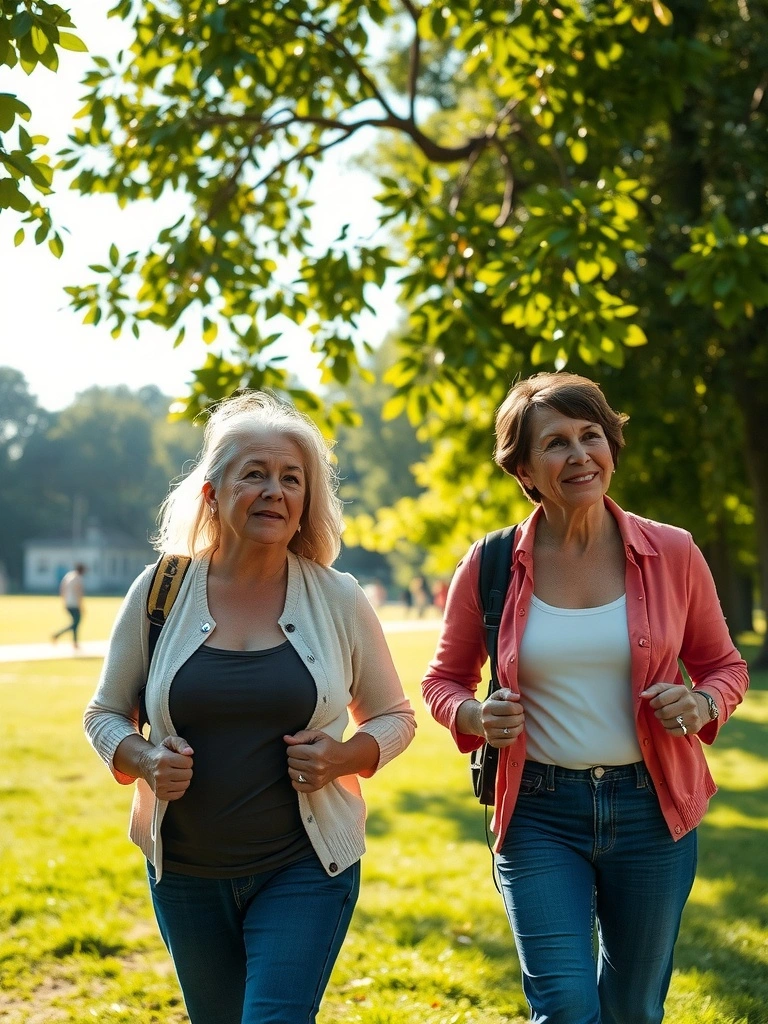
It is recommended to engage in this activity 3 to 5 times a week for 30-45 minutes at moderate intensity (enough to breathe slightly harder but still able to converse). Ideal locations include forest trails, parks, or coastal paths with natural sunlight exposure. Morning or evening UV rays are milder, making them suitable for sun exposure.
2. Stretching and Floor Exercises
Incorporating yoga, Pilates, or gentle stretching helps activate lower limb and core muscle groups, promoting blood return and assisting in reducing the risk of varicose veins and deep vein thrombosis.
3. Sun Exposure and Sunbathing
It is advisable to sunbathe for 10-20 minutes daily, adjusting for skin color and weather conditions. Exposing arms and lower legs directly to sunlight is optimal. Sun exposure is recommended 3-5 times a week, with the period from 11 AM to 2 PM being peak vitamin D synthesis time; however, those with sensitive skin may choose to sunbathe at 10 AM or after 4 PM to avoid sunburn.
B. Dietary Self-Care Plan
1. Increase Omega-3 Intake
Fatty fish (such as salmon, mackerel, trout), flaxseeds, and walnuts are rich in omega-3 fatty acids, beneficial for regulating lipid levels, reducing blood viscosity, and preventing excessive platelet aggregation.
2. Consume More High-Fiber Fruits and Vegetables
Foods such as kale, spinach, tomatoes, brown rice, and legumes can lower lipid levels, enhance gut probiotics, induce NO synthesis, and reduce thrombosis formation.
3. Reduce High-Sugar, High-Salt, and High-Fat Diets
Limiting red meat, processed meats, refined sweets, and fried foods helps prevent excessive weight and visceral fat accumulation, lowering cardiovascular stress.
V. Expert Literature and Medical Perspectives
The Journal of the American Heart Association indicates that 30 minutes of daily outdoor activity can effectively reduce heart disease incidence in women after menopause by over 30%. Men similarly benefit from regular outdoor physical activity, particularly after reaching 50 years of age, as maintaining moderate exercise can concurrently mitigate risks of atherosclerosis and hypertension. Multiple international journals have also confirmed that individuals with adequate vitamin D levels have a significantly lower risk of thrombosis.
VI. Self-Relief and Innovative Natural Therapies
A. Detailed Application of Sound Therapy
According to data from the International Music Therapy Association, men and women aged 40 to 60 in menopause can benefit from listening to music at a therapeutic frequency of 528Hz (scientifically known as the "miracle frequency") for 20 minutes each morning and evening for 8 weeks, helping to reduce stress, stabilize the autonomic nervous system, and enhance vascular elasticity. It is recommended to combine this with deep breathing or meditation, using high-quality headphones to avoid external distractions, and opting for pure natural sounds (such as flowing water, birdsong, or forest wind sounds).
B. Aromatherapy Detailed Operations
Lavender, bergamot, and rosemary essential oils can help relieve vascular pressure. It is recommended to use a diffuser in the bedroom or apply 2 drops of lavender essential oil to the corners of the pillow before bed to stimulate the parasympathetic nervous system and stabilize blood pressure. During baths, adding 3-5 drops of essential oil to warm water can enhance relaxation and blood circulation.
C. Self-Relaxation Training
Progressive muscle relaxation: Start from the toes, clench and relax each muscle group in the body for 15 minutes to help relieve physical and mental stress, maintaining vascular dynamic elasticity during the day. Meditation, yoga, and mindful breathing for 10 minutes each in the morning and before bed can also improve autonomic nervous function and promote ideal blood pressure fluctuations.
VII. Medical and Professional Intervention Plans
A. Health Checks and Early Screening
1. It is recommended that individuals over 40 have their blood lipids (TC/LDL/HDL), blood sugar, blood pressure, vitamin D levels, and blood coagulation factors checked at least once a year.
2. Men and women over 55 in menopause, especially those with a family history of cardiovascular disease, should also undergo ECGs, echocardiograms, and carotid ultrasounds.
B. Medication to Promote Blood Circulation
If diagnosed by a physician as having poor vascular elasticity or hyperlipidemia, lipid-lowering, anticoagulant, and antiplatelet medications can be selected under professional guidance. Women might consult over Hormone Replacement Therapy (HRT) options, with careful assessment of breast cancer and other side-effect risks. Men may consider moderate testosterone supplementation but should monitor for prostate and cardiovascular side effects.
C. Physical Therapy Recommendations
For those experiencing lower limb circulatory disorders due to prolonged sedentary lifestyles:
1. It is advisable to wear moderate compression stockings.
2. Standing up for 5-10 minutes every 45 minutes to perform simple squatting and toe-raised movements can help prevent venous thrombosis.
3. Following medical advice, adding low-intensity electrical stimulation therapy to promote calf return may be beneficial.
VIII. Self-Improvement and a Positive Attitude Towards Life
1. Set aside daily time for outdoor activities and sunbathing, and encourage friends or family to join for increased commitment and enjoyment.
2. Develop a habit of tracking sun exposure, daily walking steps, fruit and vegetable intake, and mood indices to create a health tracking journal.
3. Actively participate in health seminars, community walking groups, and activities to expand social circles, reducing loneliness and stress.
4. Cultivate a positive mindset for the physical and mental changes brought on by menopause, and explore interests such as gardening, photography, music, and painting to enhance spiritual fulfillment and indirectly strengthen resilience to stress.
IX. Future Trends and Creative Suggestions
With technological advancements, wearable devices (such as heart rate bands, UV sensors, and activity trackers) can help those in menopause monitor their circulatory status in real-time, record outdoor activity levels, sun exposure, and sleep quality, engaging in intelligent health management. In the future, personal health data may be integrated to create personalized cardiovascular health cloud files that remind individuals of movement, diet, and check-ups around the clock.
Conclusion
Menopause is not just a physiological transformation; it is a crucial turning point for overall health. Guarding cardiovascular health and preventing thrombosis risks are not merely topics of medicine or nutrition but require a combination of sunbathing, outdoor activities, music and aromatherapy, and personal health management to create a balanced golden age of life. Both men and women can begin their health journey with the detailed strategies provided in this article, combining science with practical wisdom to pursue healthy vitality and distance themselves from thrombosis risks during their menopausal journey.