
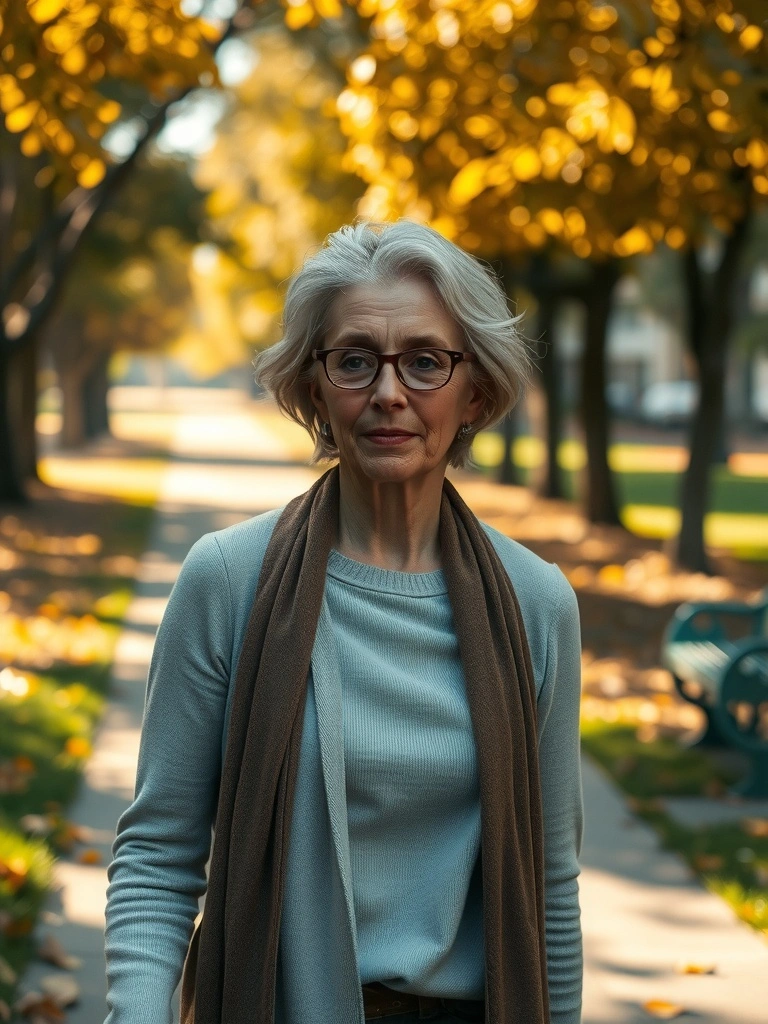
Aging and Healthy Aging, Daily Walking and Self-Healing: Professional Guidance for Men and Women in Menopause
Introduction
As people age, both men and women face changes in bodily functions and the loss of important interpersonal relationships, with menopause marking a significant turning point in life. How to seek self-adjustment and emotional healing through the concept of healthy aging, such as through daily walking habits during this period, is an important issue that requires attention from every individual entering middle and older age, as well as their families. This article will discuss themes such as "Aging and Healthy Aging," "Daily Walking," "Grieving the Loss of a Partner or Loved Ones," and "Emotional Self-Healing Plans for Daily Walking Habits Accompanying the Loss of Loved Ones," focusing on common concerns for men and women in menopause. We will analyze the causes, provide professional recommendations, and offer specific practical guidance, aiming to assist readers in achieving both physical and mental health in the aging process.
1. In-depth Analysis of Aging and Healthy Aging
1. Physiological and Psychological Changes of Aging
With advancing age, hormone levels in the body gradually decrease, with testosterone for men and estrogen for women showing significant declines. This leads to physical decline, osteoporosis, joint stiffness, and loss of muscle mass, commonly accompanied by emotional issues such as depression, anxiety, and cognitive decline. Men typically enter menopause between the ages of 40 and 60, while women enter menopause around the age of 50, experiencing symptoms such as hot flashes, night sweats, palpitations, and insomnia.
2. Core Concepts of Healthy Aging
Healthy aging is not just about avoiding illnesses; it is also about maintaining activity and self-sufficiency on physiological, psychological, and social levels. According to modern geriatric literature, healthy aging emphasizes balanced nutrition, regular exercise, maintaining social connections, and effectively managing emotional stress to reduce chronic diseases and delay decline.
3. Gender Specificity and Unique Needs
- Women: Special prevention is needed for osteoporosis, cardiovascular disease, urinary atrophy, and psychological adaptation.
- Men: The focus should be on maintaining muscle strength, cardiovascular management, hormone balance, and delaying cognitive decline.
The process of aging and response strategies should be customized based on the physiological foundation, psychological needs, and lifestyle habits of different genders.
2. The Key Role of Daily Walking in Healthy Aging
1. Health Benefits of Walking
Daily walking not only promotes cardiovascular function and helps regulate blood sugar but also increases bone density and delays muscle loss. It also releases endorphins that alleviate depression and anxiety. According to the International Society of Sports Medicine, adults should aim to walk 6,000-10,000 steps daily and accumulate 150 minutes of moderate-intensity exercise weekly to significantly reduce disease risk.
2. Gender-Specific Walking Strategies
- For women in menopause: It is recommended to walk in flat, quiet parks during comfortable temperatures in the morning or evening for 30-45 minutes and incorporate strength training (such as stretching on park equipment or knee lifts).
- For men in menopause: They can engage in circuit walking for 20-60 minutes, occasionally including gentle slopes or stairs to enhance cardiovascular endurance, followed by simple stretching to reduce muscle tension after walking.
3. Psychological Adjustment Function of Walking
The simple rhythm of walking helps to quiet distracting thoughts, and walking in open environments (such as natural parks) has additional therapeutic benefits. It is recommended to pair walking with low-frequency natural sound therapy (suggested frequencies of 275Hz–432Hz, focusing on sounds like birdsong and flowing water) using a special player or mobile app for at least 15 minutes at a time, and to do this a minimum of three times a week to achieve stress relief.
3. Grieving the Loss of a Partner or Loved Ones: Analyzing Common Impacts of Menopause
1. Emotional Loss and Psychological Impact
Entering middle age, the loss of a close partner or dear friend can create unbearable psychological burdens. Common reactions include sadness, guilt, self-blame, loneliness, and sleep disturbances. Women, often living longer, are more likely to experience widowhood; men typically manifest feelings of loneliness and behavioral withdrawal. If not addressed over time, these issues can exacerbate physiological symptoms of menopause such as insomnia and depression, potentially leading to disability or suicidal thoughts.
2. Importance of Social Support
Experts indicate that individuals who have lost a spouse can significantly reduce psychological distress and facilitate emotional healing through timely social support from children, in-laws, neighbors, or religious groups. Actively participating in support groups or cultural activities can help re-establish life order and seek personal meaning.
3. Case Scenario Description
A woman who has been widowed for three months walks every morning on the community path, initially crying and unable to let go. After advice from a social worker, she begins to try walking with neighbors to share daily concerns, gradually finding release from her own sadness and learning to transform grief into memories and blessings for the deceased.
4. Professional Self-Healing Plans for Emotional Recovery through Daily Walking Habits Accompanying the Loss of Loved Ones
1. Initial Relief Steps After Loss
- Allow grief to flow naturally; it may help to choose a more secluded walking route to let emotions out.
- In the early stages, focus on comfort rather than speed or distance, aiming for 10 to 20 minutes each time.
- During walks, wear headphones to listen to soft music, such as piano music at 432Hz, gentle classical pieces, or loud natural sounds (like ocean waves or birds singing) to relieve stress.
- Consider practicing walking meditation: Concentrate on breathing, footsteps, and environmental sounds while walking, once daily, to help calm inner restlessness.
2. Active Therapy and Advanced Self-Healing
- After one to two weeks of initial walking, gradually extend sessions to 30 minutes, increasing walking speed moderately and encouraging walking with friends or neighbors.
- Incorporate mindfulness practice: Consciously feel the ground underfoot, the warmth of the sun, and the gentle breeze, while silently affirming to oneself, "I am surrounded by love, and I have the power to be reborn."
- It is suggested to keep a mood journal, recording observations from daily walks, emotional fluctuations, and encouraging self-affirmative words, helping to clarify thoughts.
- If feeling deeply sad, allocate 30–40 minutes for music therapy after walking (recommended frequencies of 275Hz–396Hz can mitigate fear and feelings of loss). Music therapy frequency can gradually adjust from three times a week to daily sessions.
3. Emergency Self-Help Recommendations in Special Situations
- If a strong emotion arises unexpectedly during walking, it is advisable to stop, take six deep breaths, self-soothe by crossing arms, and softly repeat, “I allow myself to grieve, but I will recover.”
- If necessary, step into a nearby café or relaxation area for brief seated meditation to stabilize emotions.
- If symptoms persist for over two weeks without significant relief, actively seek professional help from a psychologist, counselor, or psychiatrist.
5. Integration of Non-Medical and Natural Therapies
1. Aromatherapy
This is suitable for both men and women in menopause, using essential oils such as lavender, sweet orange, and chamomile. After walking, 2–3 drops of essential oil can be added to a handkerchief or diffuser for continued inhalation for 10–15 minutes, reducing anxiety and improving sleep quality. When women experience night sweats and insomnia during menopause, a lavender oil bath or applying three drops to a pillow can be especially helpful.
2. Herbal Therapy and Supplementation
- Women may benefit from herbs like black cohosh, kudzu, phytoestrogens, and red clover, which can help regulate menopausal discomfort.
- Men are recommended to supplement with pumpkin seeds, ginseng, and saw palmetto, which assist in prostate and hormone balance.
- Herbal formulas should be consulted with qualified traditional Chinese medicine practitioners or pharmacists to avoid drug interactions.
3. Social and Art Therapy
- Encourage joining community walking groups, book clubs, or choirs to enhance emotional connections through group interaction.
- Schedule weekly artistic activities such as art, gardening, crafts, or photography, which can help transform grief into creative energy.
6. Recommended Medical Interventions and Self-Improvement Suggestions
1. Timing for Professional Medical Intervention
If severe sleep disturbances, depressive symptoms, extreme isolation, or social withdrawal accompany menopause, it is recommended to seek evaluation from endocrinologists, geriatric specialists, or psychiatrists.
- Women may consider evaluating estrogen replacement therapy to prevent osteoporosis and severe discomfort.
- Men may evaluate testosterone supplementation alongside cardiovascular health monitoring plans. Regular follow-ups every three to six months are essential to assess physical and mental progress and response to treatment.
2. Reinforcing Nutritional and Lifestyle Habits
- Emphasize a diet high in calcium and low in salt, rich in vitamin D, and if there are no contraindications, aim for 10–15 minutes of sunlight exposure daily.
- Maintain regular sleep schedules with 7–8 hours of quality rest each night, avoiding excessive late nights and diets high in sugar and fat.
3. Self-Enhancement Plans
- Cultivate new hobbies and learn new skills (such as languages, painting, or playing instruments) to promote neural plasticity and rebuild confidence.
- Set weekly action goals, such as learning a new dish or finishing a book, gradually achieving satisfaction and joy from small daily tasks.
Conclusion
Menopause is a natural phase that everyone must go through. Understanding the significance of aging and healthy aging is the foundation for overcoming loss and sadness and moving towards a proactive life. Daily walking not only strengthens bodily functions but also provides a crucial platform for healing internal wounds during periods of emotional lows from losing a partner or loved one. Enhanced by music therapy, aromatherapy, herbal supplements, and social and artistic engagement, overall physical and mental recovery can be significantly improved. For every man and woman entering this new stage of life, establishing a daily walking and self-recovery health model can enable a journey towards healthy aging characterized by ease, balance, hope, and confidence.