
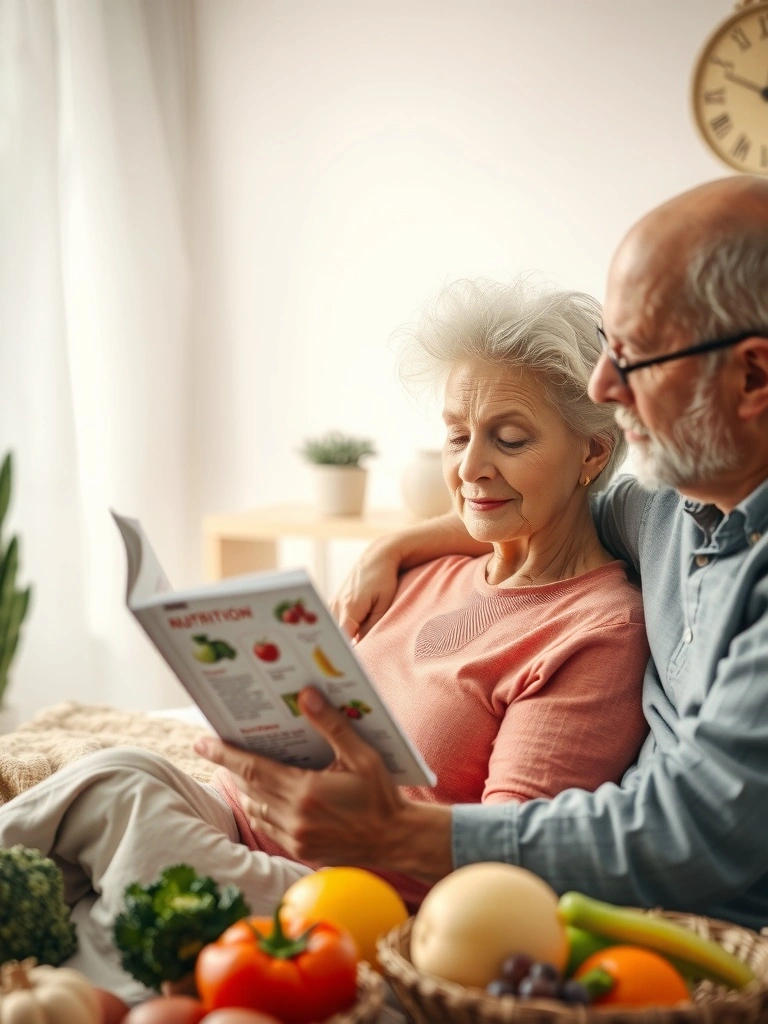
Menopause is a highly challenging stage of life that both men and women must face together, dealing with significant physiological and psychological changes. When there are drastic fluctuations in hormone secretion, it not only leads to physical changes but also deeply impacts sexual health and intimacy between partners, daily dietary choices, and psychosomatic issues related to sexual dysfunction. To genuinely overcome the challenges menopause poses to families, intimate relationships, and personal physical and mental states, it is advisable to deeply analyze these aspects and propose feasible, scientific, nuanced, and practical solutions for everyday life.
1. Multiple Challenges of Sexual Health and Intimacy
After entering menopause, the levels of sexual hormones (estrogen and testosterone) in both men and women significantly decline, leading to a series of chain reactions. Women may experience vaginal dryness, reduced sensitivity, and decreased libido, and even discomfort or increased susceptibility to infections during intercourse due to thinning of the urethral mucosa. Men often manifest decreased libido, erectile dysfunction, orgasm difficulties, and ejaculation issues. These changes not only reflect bodily functions but also directly affect communication and emotional connection between partners.
To improve this predicament, both genders can establish a more honest communication mechanism. For example, they could participate together in couple's sexual health consultations or learn emotional expression and empathy techniques together. Through "Nonviolent Communication" (NVC), both parties can discuss bodily changes, stress feelings, and intimacy needs more comfortably, thereby reducing misunderstandings and stress. Additionally, trying new forms of intimate activities—such as synchronized meditation, gentle massage, and sensory exploration games—can help stimulate freshness and a sense of belonging.
If partners find it difficult to discuss sensitive issues at first, it is recommended to share feelings through letters, reading love notes together, or using a diary. Psychological studies indicate that "writing therapy" can effectively reduce anxiety, enhance self-awareness, and further promote the quality of intimate communication.
2. In-depth Analysis of Dietary Adjustments and Physiological Protection
Menopause leads to a slowdown in metabolism, making dietary adjustments the foundation for maintaining sexual health and intimacy. Nutritional research confirms that foods rich in Omega-3 fatty acids (such as salmon, mackerel, and flaxseed oil) and fruits and vegetables high in quality antioxidants (such as blueberries, red peppers, dark leafy greens, etc.) help slow vascular aging and optimize hormone secretion.
Moreover, protein intake should be moderately increased to support hormone and muscle tissue synthesis. It is recommended that women consume 1.0 to 1.2 grams of protein per kilogram of body weight daily, while men should aim for 1.2 to 1.5 grams. Choosing healthy protein sources such as low-fat meats, soy products, and unsweetened dairy can promote tissue repair and enhance sexual hormone levels.
For menopausal women, increasing the intake of soy isoflavones (such as natto, soy milk, and soybeans) can help supplement plant-based estrogen, slowing down osteoporosis and vaginal dryness. Men may consider moderately increasing their intake of zinc and arginine (from foods like pumpkin seeds, oysters, and nuts) to maintain testosterone levels and prostate health.
Beyond diet, it is advisable for couples to create a ritual around mealtime. For example, planning a “themed healthy dinner” once a week to explore low-calorie, high-nutrition dishes together; learning healthy baking or cooking exotic vegetarian foods together can enhance the atmosphere of communication, making dining a new medium for emotional flow.
3. Gender-Specific Professional Analysis and Intervention Strategies for Sexual Dysfunction
1. Female Sexual Dysfunction (FSD)
Common symptoms include reduced libido, painful intercourse (especially due to vaginal dryness), and difficulty achieving orgasm. For the above symptoms, the following multi-layered interventions are recommended:
(1) Lubricants and moisturizers: Choose medical-grade water-based lubricants, applied before and after each sexual encounter to reduce dryness and friction. For long-term hydration, vaginal moisturizers containing hyaluronic acid, vitamin E, or glycerin can be used 2-3 times a week.
(2) Pelvic floor muscle training: Perform Kegel exercises ten times each morning, noon, and evening for eight seconds each time, gradually increasing repetition and intensity to enhance the tension of vaginal muscles, which indirectly improves sexual sensitivity.
(3) Sensory meditation: Spend ten minutes each night before bed practicing "sensory meditation," focusing attention on breathing, skin contact, and environmental temperature to learn to awaken sensory responses and improve the quality of sexual experiences.
(4) Herbal remedies: Trying lavender essential oil (3-5 drops diluted in 100 ml of carrier oil, massaged over the abdomen and groin) or lemon balm tea (1 cup every night) can relieve anxiety and emotional distress, indirectly enhancing libido.
2. Erectile Dysfunction (ED)
Men often face difficulties with erections, lack of ejaculation, and reduced libido. Recommendations for a holistic approach include:
(1) Sound therapy: Play pure music with a frequency of 432 Hz (such as nature sounds and classical guitar) during dusk (suggested time: 6 PM to 7 PM) for 20-40 minutes each time, which effectively alleviates mental stress and restores physiological rhythms.
(2) Breathing training and mindfulness meditation: Practice the "4-7-8 breathing method" daily (inhale for 4 seconds, hold for 7 seconds, exhale for 8 seconds, repeat 8-10 times) to regulate autonomic nervous function and alleviate stress-related erectile dysfunction.
(3) Nutritional supplementation: It is recommended to supplement with 100 mg of Coenzyme Q10 and 400 mg of arginine daily for three months, which can enhance the microvascular circulation and vitality of sexual organs.
(4) Expert recommendations: If there is no significant progress with natural therapies after three months, it is advisable to consult a urologist for ultrasound blood flow tests and male hormone assessments, and to follow medical advice for appropriate treatments (such as PDE5 inhibitors or hormone replacement therapy).
4. New Choices at the Dining Table and Practical Strategies to Initiate a New Chapter of Happiness and Intimacy
The family dining table is no longer merely a place for eating but becomes the emotional core that connects intimacy, conversation, and reciprocity. When entering the menopausal stage, it is essential to actively change the format of the dining experience; this not only affects health but also promotes the flow of love.
1. Rainbow Table Plan: Schedule 1-2 meals per week themed around "food colors," encouraging the intake of at least five different colors of fruits and vegetables. This not only balances nutrition but also provides rich phytonutrients that aid in antioxidant activity, maintaining the health of reproductive organs and enhancing vitality.
2. Mindful Eating Ritual: During meals, turn off mobile phones and televisions, using "mindful eating" with slow chewing and focused awareness. Before each meal, partners take turns expressing gratitude or sharing their feelings for the day to create a safe and understanding dining atmosphere.
3. Healthy Cooking Experience: Agree to hold a "Healthy New Food Talk" once a month, inviting friends to share new recipes or learn healthy cooking techniques together (such as low-oil steaming or DIY fermented foods), allowing intimacy to naturally integrate into social interactions and enjoyment.
4. Emotional Cooking Classes: Join a "Couples Cooking Class" (many reproductive health organizations or social service centers offer related courses) that emphasizes collaboration and intimate interaction, inspiring creative culinary ideas and infusing life with more ritual and happiness.
5. Medical Literature and Expert Recommendations – Integrating Modern and Natural Therapies
According to suggestions from the Journal of Menopausal Medicine and international guidelines for relational therapy, the most effective methods to maintain intimacy during menopause combine medical consultation, natural adjunct therapies, and daily psychological adjustments. Key points include:
1. Regular exercise habits: Engage in moderate-intensity aerobic exercise (such as brisk walking, jogging, swimming, yoga) three times weekly for 30-40 minutes each session to effectively stimulate dopamine and serotonin, enhancing happiness and intimacy.
2. Management of physiological age: Actively seek regular health check-ups (bone density, hormones, blood sugar, and lipid levels) and adjust health supplements and medications based on physician recommendations to reduce sexual dysfunction caused by diseases.
3. Mental health maintenance: Seek psychological counseling support promptly when menopause brings negative emotional distress to reduce the harmful effects of stress and anxiety on life and family atmosphere.
6. Self-Improvement and Future Outlook for Intimacy
Menopause is actually a golden opportunity to reshape life and create happy relationships. Only by actively exploring inner feelings, learning new knowledge, and daring to break past intimacy interaction patterns can one build unprecedented intimate connections. Whether through professional communication skills, supplements of sexual health knowledge, dietary innovations, or shared participation in cooking and dining rituals, each step is crucial for restarting intimacy.
In the future, as medical and technological advancements progress, along with the continuous evolution of gender relationship concepts, the intimacy and happiness of menopause will no longer just be a barrier but rather a beautiful chapter of mature love and understanding. Only by facing challenges proactively, making scientific adjustments, and incorporating creative practices into daily life can we truly open a new chapter of dining and intimacy, allowing love and health to grow and flourish each day.