
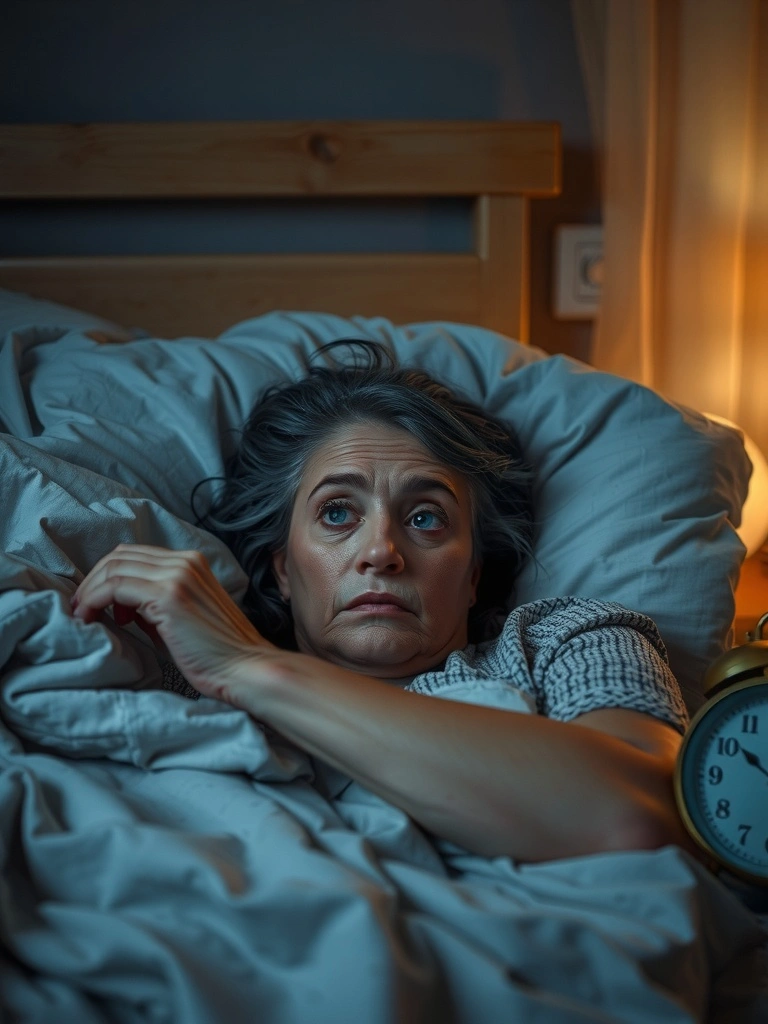
Sleep disorders have always been a common yet complex health issue for both men and women during menopause. Regardless of gender, as we age, physiological and psychological changes can disrupt normal sleep cycles. Especially during the menopausal phase, many people experience problems such as difficulty falling asleep, frequent awakenings at night, and even night terrors, which can interfere with daily quality of life. This article will analyze the causes of sleep disorders, explore the most common sleep issues faced by different genders during menopause, and combine expert literature, natural therapies, regular routines, sound therapy, home adjustments, and medical solutions to provide practical, innovative, and professional guidance to help readers regain a stable sleep rhythm.
Analysis of the Relationship Between Menopause and Sleep Disorders
Menopause is a transitional period marked by drastic hormonal changes, where women experience a sharp decrease in estrogen and progesterone, while men undergo a gradual decline in testosterone. Hormones have a significant impact on the brain's regulation of physiological clocks and the adjustment of stress responses, making sleep cycles more susceptible to disruption. Additionally, stress, anxiety, nighttime sweating (more common in women), nocturia (experienced by both men and women), and mood swings further exacerbate sleep disturbances. According to numerous clinical studies, approximately 50-70% of menopausal women face varying degrees of insomnia, while nearly 30% of men experience a noticeable decline in sleep quality.
Night Terrors: A Unique Nighttime Disturbance of Menopause
Night terrors primarily manifest as sudden awakenings at night, panic, rapid heart rate, shortness of breath, and even screaming. During menopause, women tend to have a higher incidence of night terrors due to hormonal fluctuations, nighttime sweating episodes, and increased feelings of anxiety. Men, on the other hand, are more affected by stress hormones and frequent nighttime urination, leading to interruptions in deep sleep. Although they are less likely to experience severe night terrors, they often go through episodes of brief anxious awakenings or nightmares.
Rebuilding Sleep Quality with Regular Routines
The first step in breaking the vicious cycle is to establish a fixed and regular daily routine. The International Sleep Society and clinical experts emphasize that a regular physiological clock helps enhance melatonin secretion, thereby improving the speed of falling asleep and the depth of sleep. Specific recommendations are as follows:
1. Set a fixed bedtime and wake-up time: Aim to go to bed at the same time each night, even on weekends, to avoid significant adjustments to the physiological clock.
2. Engage in moderate daytime exercise: Aim for 3-5 sessions of moderate-intensity exercise per week, each lasting 30 minutes, to help delay the decline of menopausal hormones and reduce anxiety.
3. Avoid long daytime naps: Limit afternoon naps to 30 minutes to avoid diminishing sleepiness at night.
4. Expose yourself to natural sunlight in the morning: Spend 15-30 minutes in the sun every morning to regulate your physiological clock and promote wakefulness.
Perfecting the Sleep Environment and Process Steps
1. Adjusting the Sleep Space
- Keep the bedroom quiet and dark. Use blackout curtains to prevent outside noise interference.
- Maintain the room temperature between 20-24°C. If nighttime sweating is severe, consider using breathable sheets and clothing.
- Remove mobile phones, televisions, and bright electronic devices from the bedroom to avoid blue light inhibiting melatonin production.
2. Pre-Sleep Relaxation Routine
- Turn off all electronic screens 30 minutes before bedtime.
- Take a warm bath for 10-15 minutes to promote muscle relaxation.
- Consider trying deep breathing meditation, progressive muscle relaxation, or gentle stretching exercises.
Sound Therapy: Deep Healing at Precise Frequencies
Numerous scientific studies have confirmed that sound therapy can help soothe the autonomic nervous system and improve the ability to fall asleep. According to local clinical research, using natural music at frequencies of 432 Hz or 528 Hz can help alleviate anxiety, reduce night terrors, and increase the proportion of deep sleep. Specific recommendations are as follows:
- Music selection: Use pure instrumental piano, gentle strings, or natural sounds (like flowing water, ocean waves, or forests) controlled within the frequency range of 432 Hz or 528 Hz.
- Timing: Play it in the background 30 minutes before sleep, keeping the volume low.
- Duration: Each session should last 20-40 minutes, with gradual extensions based on personal adaptation.
- Consider using a professional sound therapy app that sets an automatic stop time to avoid disrupting sleep continuity after waking up at night.
Self-Relief and Non-Medical Natural Therapies
1. Aromatherapy
- Lavender and chamomile essential oils have been supported by numerous sleep medicine studies for their ability to promote relaxation and ease difficulty in falling asleep.
- Method of use: Place 2-3 drops in the corner of your pillow or use a diffuser 30 minutes before sleep.
2. Dietary Adjustments
- Reduce the intake of caffeinated and sugary drinks, especially after 2 p.m.
- Supplement with foods rich in tryptophan (like bananas, soy milk, nuts, and oats) to promote serotonin secretion in the brain, which is beneficial for inducing sleep.
- You may consider adding low-dose melatonin supplements, but it is advisable to consult medical professionals for assessment first.
3. Cognitive Behavioral Therapy for Insomnia (CBT-I)
- Cognitive Behavioral Therapy (CBT-I) is suitable for those with insomnia and anxiety-related nighttime awakenings.
- It focuses on restructuring negative thoughts and poor sleep habits, encouraging the establishment of positive pre-sleep rituals, such as journaling or drinking warm milk, which help soothe emotions.
Expert Medical Advice and Innovative Solutions
If natural solutions yield limited results, medical evaluation and treatment can be considered:
1. Hormone Replacement Therapy (HRT) for Menopause (only applicable for eligible candidates)
- Physicians will consider estrogen/testosterone supplementation based on individual health conditions.
- It is important to note potential contraindications for hormone replacement, such as a history of breast tumors, cardiovascular diseases, etc.
2. Pharmacological Treatment
- Mild sedatives and sleep medications: For short-term severe insomnia only, to avoid long-term reliance.
- Anxiolytics or antidepressants: Suitable for insomnia caused by noticeable anxiety or depressive moods, requiring professional evaluation.
3. Exclusion of Nocturnal Breathing Sleep Disorders
- If severe snoring or frequent gasping occurs during sleep, it is essential to be aware of obstructive sleep apnea and arrange for a polysomnography to assess whether respiratory assist devices (like CPAP) are necessary.
Self-Improvement and Rebuilding Sleep Rhythm
Overcoming sleep disorders during menopause goes beyond mere symptom management; it should encompass self-awareness and a comprehensive enhancement of physical and mental quality. It is recommended to daily self-assess feelings, behaviors, and physical sensations before sleep to establish a personalized sleep ritual. For example, writing a gratitude journal for five minutes before bed can help mitigate the negative thoughts swirling in your mind. Regular meditation practices, like breath control, can significantly improve resistance to stress and promote a sense of calm over time. Participating in practices such as yoga and tai chi can also stabilize the nervous system, enhancing nighttime rest quality.
Group Support and Resource Connection
When facing sleep issues, it is advisable to participate moderately in menopause education groups or sleep self-help discussion groups. Sharing sleep challenges with others who have similar experiences can foster emotional release and exchange effective techniques. Resources can be sought through hospitals, community health centers, and other channels. If necessary, professional integration counseling from sleep specialists, psychologists, or aromatherapists can be pursued.
Conclusion: The Path to Returning to Peaceful Nights
Sleep disorders and night terrors are indeed common challenges for men and women during menopause, but through the restructuring of regular daily routines, meticulous pre-sleep rituals, precise sound therapy, and natural therapy interventions, along with medical and community support, one can effectively overcome nighttime disturbances and stabilize physical and mental rhythms. Only with the dual coordination of body and mind can we reclaim peaceful nights, transforming the growth and transition of menopause from merely a difficulty to a renewed journey of life. Readers can follow the professional methods outlined in this article step by step, believing that in every night to come, they will experience their own most stable and tranquil sleep rhythm.