
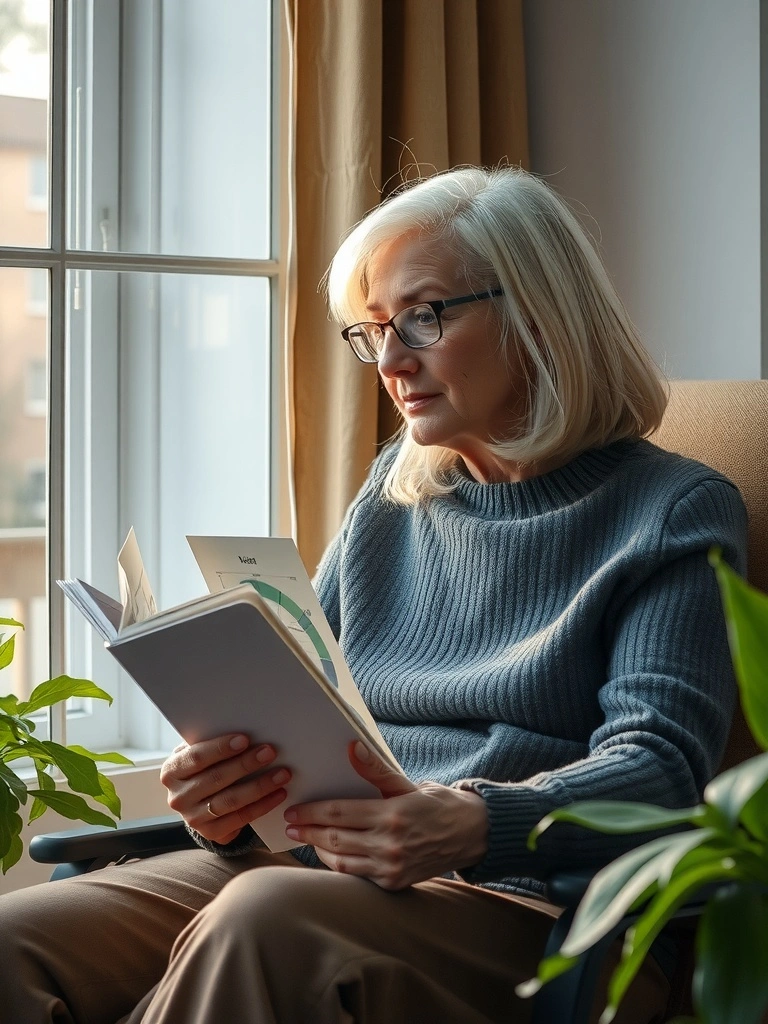
Aging and Healthy Aging: Controlling Time, Facing Mobility Challenges, and Enhancing Self-Care Guidelines for Senior Mobility
Aging is a natural physiological process that everyone will eventually face as life progresses. However, modern medicine and health management science indicate that aging is not solely determined by genetic fate; rather, it is a long-term journey that can be improved through active participation, meticulous planning, and diverse strategies. In this process, both men and women face multiple symptoms such as restricted mobility, declining energy, and increased psychological stress. Nevertheless, these challenges are not unavoidable; through precise and personalized time management and self-care strategies that address the physiological and psychological needs of older adults, healthy aging can become an ideal that can be pursued and realized.
This professional discussion delves into the possible causes of aging and healthy aging, analyzing common and unique challenges faced by men and women as they age. From the perspectives of time allocation, mobility enhancement, on-site guidance, and scientific literature, it provides highly actionable care and alleviation plans that guide readers on how to achieve an active, healthy, and dignified life in old age through concrete actions and creative ideas. The article intricately depicts various scenarios, combining procedural details to help readers translate theory into practical daily solutions.
1. Dissecting Aging Physiology: Common Challenges of Male and Female Menopause
1. In-Depth Analysis of Aging Mechanisms
As the body ages, the capacity for cell repair and regeneration decreases, hormone secretion changes, leading to gradual decline in the functions of organs, muscles, bones, and the nervous system. As men enter menopause (andropause), testosterone levels drop, resulting in reduced muscle mass, increased body fat, and decreased bone density, leading to problems such as weakness, chronic fatigue, and sexual dysfunction. Women, due to low estrogen (menopausal syndrome), encounter not only the aforementioned issues but also hot flashes, night sweats, palpitations, depression, and osteoporosis.
2. Exploring Causes of Mobility Limitations
With weakened bones, joint inflammation, declining balance, diminishing vision and hearing, and increased risk of chronic diseases (like diabetes, cardiovascular diseases, and Parkinson's disease), many older adults fall into limited mobility. Men are more susceptible to loss of muscle strength, while women often face osteoporosis, increasing risks of falls and fractures, creating a vicious cycle and further impairing self-care.
3. Psychological and Social Impacts
Older adults often feel lonely, powerless, and doubtful of their self-worth. If their activities are limited, it further blocks social participation and increases tendencies toward depression. This situation is more common after widowhood or retirement, with women particularly vulnerable to emotional fluctuations, while men often exhibit behavioral withdrawal.
2. Time Management: The Golden Key to Overcoming Aging
The essence of healthy aging lies in “early scheduling and rational allocation” of daily activities. Effective time management not only helps maximize mobility but also enhances quality of life, reducing feelings of loss and helplessness.
1. Analyze Personal Daily Routines
It is recommended that older adults record their daily time usage from morning to nighttime, categorizing activities into basic physiological needs (e.g., eating, bathing), essential healthcare (e.g., exercise, medication), personal entertainment (e.g., reading, music appreciation), and social leisure (e.g., phone calls, gatherings), identifying "low-efficiency time slots" and "optimal active periods."
2. Optimize Activity Allocation Throughout the Day
• Morning (when energy peaks) is suitable for stretching, walking, or simple housework.
• Late morning to noon can accommodate tasks that require focus (e.g., learning new things, crafts).
• Afternoon is reserved for social or relaxing activities (e.g., video calls with friends, light music).
• Evening is an ideal time for outdoor walks or tidying up to promote digestion.
• At night, focus on static, low-stimulus activities (e.g., reading, soft music) to prepare for sleep.
3. Music Therapy and Focus Development
Scientific evidence shows that music utilizing frequencies such as 528 Hz, 432 Hz, and 639 Hz can help stabilize emotions and improve sleep quality. It is recommended to listen to such music for 20-30 minutes each morning and evening, choosing "Solfeggio frequency music," "classical string music," or calming nature sounds. Developing a long-term habit of music therapy can help reduce anxiety and enhance body repair capabilities.
4. Utilize Digital Tools for Tracking and Reminders
Smartwatches or apps (e.g., Uptime, Any.do) can effectively set schedule allocations and health alarms, reminding users to take medication and engage in activities at any time. Encouraging family members to participate can help older adults establish regular routines, reducing forgetfulness and inertia.
3. Mobility Challenges: Drafting Specific Plans from Context
1. Home Space Optimization and Safety Measures
• Implement anti-slip treatments on floors (bathroom, kitchen), install toilet handrails, and bedside fall prevention devices.
• Keep pathways clear by removing clutter, ensuring smooth movement for wheelchairs and walkers.
• Provide low lighting or motion-sensor lamps at night to assist safe toilet use and walking.
2. Correct Selection and Training for Mobility Aids
Men with reduced muscle strength should choose lightweight walkers; women with low bone density should select canes that provide support and include shock-absorbing features. Each older adult should undergo assessment and training by a professional rehabilitation therapist to learn proper equipment usage. Weekly follow-ups on mobility status are recommended.
3. Home Exercise Regimen and Process
According to recommendations from the "American Geriatrics Society" and local rehabilitation experts, a "bed/sitting exercise regimen" for seniors with mobility limitations includes:
(1) Knee Joint Flexion and Extension: Lying down, raise lower legs to bend and straighten, 20 times on each side, twice daily.
(2) Ankle Joint Circles: Seated, extend ankle and rotate clockwise and counterclockwise for 10 circles each.
(3) Arm Raises: Using lightweight water bottles, lift from shoulder height to overhead while seated, 20 times, 1-2 times daily.
(4) Deep Breathing Relaxation Technique: Accompanied by music, breathe in slowly for 5 seconds and exhale slowly for 5 seconds, for 5 minutes each time to enhance cardiopulmonary function.
4. Practical Mobility Plan Simulation
Consider a 75-year-old woman with difficulty moving due to knee degeneration; she can perform the aforementioned bed exercises for 30 minutes each morning; take a 10-minute leisurely walk in the living room after lunch with family supervision; stroll or be pushed in a wheelchair for 20 minutes in the outdoor garden in the evening; at night, utilize soft music for stretching and engage in evening deep breathing for recovery.
4. Innovative Time Allocation and Self-Care Strategies to Enhance Senior Mobility
1. Flexible Scheduling, Creating Flexibility and Rituals
Changing the old habit of "all-day passive waiting," encourage older adults to engage in "active planning":
• Designate a fixed "happy ritual" daily, such as morning journaling or evening music time.
• Arrange family meals weekly and outdoor activities monthly to boost motivation.
• Encourage "role switching": allowing older adults to plan small family gatherings, fostering a sense of responsibility.
2. Combining Community Resources and Remote Care
Participation in neighborhood health education and senior exercise courses (e.g., Tai Chi, silver yoga) is encouraged; for those unable to go out, online resources can be utilized, offering bi-weekly video classes led by rehabilitation therapists to enhance mobility and positive interactions.
3. Professional Nutrition and Hydration Advice
Meals should focus on high protein (1-1.2 grams per kilogram of body weight daily), low carb, high fiber, and rich in vitamin D and calcium for promoting bone health. It is advised that daily water intake be between 1500-2000 milliliters, distributed throughout the day to avoid nighttime frequent urination.
4. Stress Relief and Psychological Adjustment
Scientific literature indicates that "self-care training" and "mindfulness meditation" are significantly beneficial. It is recommended to practice 10 minutes of guided mindfulness each morning upon waking or before sleep (professional mindfulness audio can be found on YouTube), focusing on "appreciating the body," "emotional awareness," and "breath relaxation." This practice can effectively reduce feelings of depression and anxiety, enhancing confidence and a sense of presence.
5. Natural Therapies and Special Solutions
1. Aromatherapy
Select essential oils such as lavender (for relaxation), lemon grass (for revitalization), and eucalyptus (for refreshing respiration), and use a diffuser in the evening for 20 minutes to enhance sleep quality and relieve depression.
2. Kitchen Health DIY
Encouraging simple weekly cooking (e.g., fruit yogurt, vegetable soup, nut oatmeal) allows older adults to participate, stimulating hand coordination and enhancing the sense of achievement in self-care.
3. Horticultural Therapy
Planting easy herbs and flowers (e.g., basil, mint, azaleas) on home balconies or in community gardens not only increases life interest but also promotes physical activity through watering and pruning, functioning as a means to enhance both mental and physical empowerment.
6. Expert Literature Recommendations and Medical Care
1. Regular Health Check-ups and Chronic Disease Management
Regular checks every six months to a year for blood pressure, blood lipids, bone density, electrocardiograms, and kidney and liver function should be undertaken. For patients with chronic conditions such as diabetes, hypertension, and gout, medication should be taken as prescribed by a physician, while establishing a "health goals checklist" with self-rewarding for achieving each item enhances medical compliance.
2. Rehabilitation and Physical Therapy Assistance
Conduct professional rehabilitation treatments at least 2-3 times per week under the guidance of rehabilitation experts, applying scheduled therapies to maximize recovery potential.
3. Social and Psychological Support
It is recommended to participate in senior groups and psychological support organizations (e.g., senior care hotlines, online peer support communities) to alleviate feelings of loneliness and helplessness through sharing, communication, and mutual assistance.
7. Self-Enhancement and Lifelong Learning
1. Proactive Learning of Technology Applications
Encourage older adults to utilize tablets and smartphones to learn new skills (e.g., digital drawing, online reading, internet communication), fostering new social circles and enriching cognitive stimulation.
2. Recommended Reading for Self-Growth
Selecting books on healthy aging, aesthetic living, and positive psychology allows for regular reading sessions each week, which not only prevents cognitive decline but also promotes social sharing.
3. Family Integration and Empowerment
Family members should actively participate in the health and life planning of older adults, providing timely affirmation and support. Family outing plans and parent-child reading days can enhance a sense of identity and belonging.
Conclusion
Healthy aging is a learning journey that embodies science, art, and love. By accurately analyzing the underlying causes of mobility restrictions and temporal management disparities, establishing regular routines that align with individual characteristics, and integrating music therapy, exercise, nutrition, natural therapies, and modern technology, every older adult can transcend the limitations of age and live a free and empowered future. In this process, families and communities should play an active role, ensuring that the aging process not only unfolds naturally but becomes the best evidence of life continuing to shine. As long as one maintains a firm belief in continuous learning and self-care, gracefully aging into health is not out of reach.