
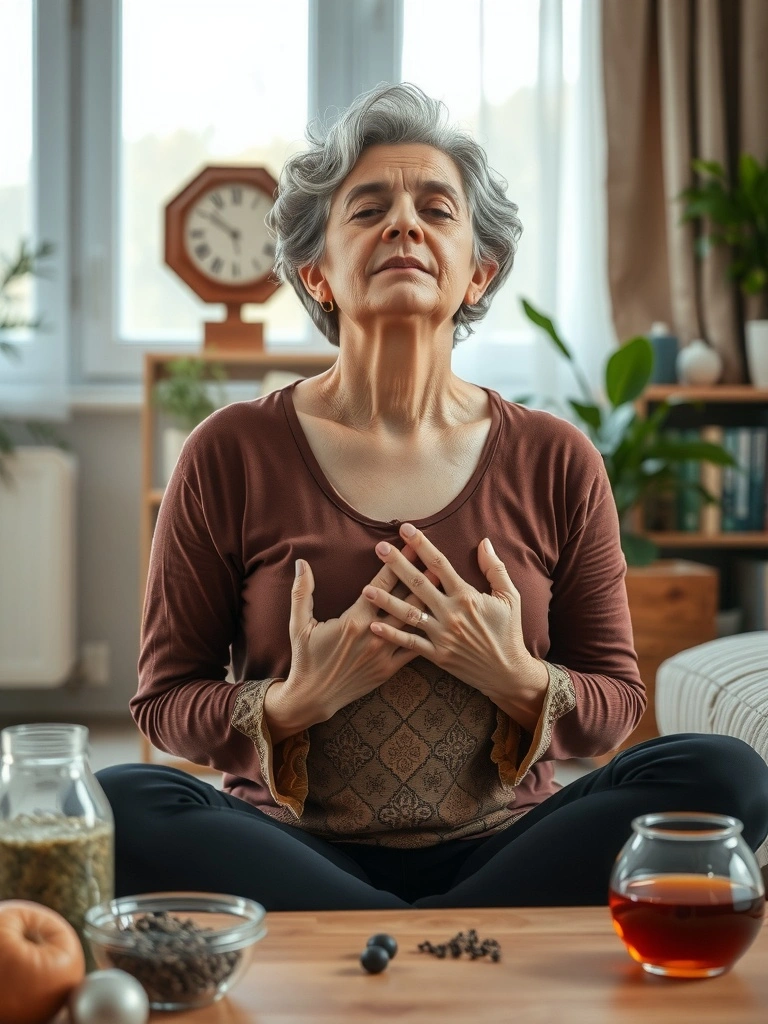
Menopause is a significant life phase marked by drastic physiological and psychological changes, faced by both genders who encounter complex and diverse bodily function transformations. Digestive system issues are among the most common and troubling symptoms during this period. Constipation, in particular, is a clinically prevalent phenomenon, often accompanied by bloating, gastrointestinal discomfort, and a noticeable decline in quality of life. Learning to self-regulate specific digestive troubles related to menopause, especially through proper breathing exercises and breath control methods, not only helps alleviate constipation but also aids in coordinating overall physiological function and psychological relaxation. This article will maintain a professional depth, integrating the latest expert literature, natural therapies, self-improvement techniques, and evidence-based medical solutions to thoroughly analyze the causes, prevention, relief, and comprehensive resolution strategies for digestive issues during menopause, assisting you in achieving a smooth life.
I. Special Analysis of Digestive System Issues during Menopause
1. Impact of Hormonal Changes
During menopause, women primarily face a decline in estrogen levels, while men experience a relative decrease in testosterone. These hormonal fluctuations directly affect the functioning of the digestive system. For example, estrogen plays a role in maintaining gastrointestinal motility and promoting the secretion of intestinal mucus. When estrogen levels significantly drop, intestinal motility slows down, leading to prolonged stool retention in the colon, increasing the likelihood of constipation and bloating. In men, the decline in hormone levels indirectly causes autonomic nervous tension imbalances, similarly weakening gastrointestinal motility.
2. Nervous System and Autonomic Nervous Dysfunction
The gut is closely connected to the brain and nervous system. During menopause, heightened psychological symptoms such as stress, insomnia, and anxiety can disrupt the autonomic nervous system, resulting in irregular intestinal motility with alternating bouts of diarrhea and constipation. Moreover, the enteric nervous system, often referred to as the "second brain," is highly sensitive to stress, and its dysfunction can lead to complex digestive symptoms.
3. Lifestyle and Aging Factors
Aging impacts physical activity levels, and inadequate fiber intake and insufficient hydration are common triggers for constipation. Medications (such as antidepressants and blood pressure drugs) also play a frequent role among the menopause demographic. Prolonged sitting and lack of exercise further weaken digestive system functionality.
II. Specific Clinical Manifestations of Constipation and Digestive Difficulties
- Decreased Frequency: Fewer than three bowel movements per week
- Difficulty in Bowel Movements: Requires effort, prolonged time, hard stool
- Poor Completeness: Feeling of incomplete evacuation
- Bloating: Accumulation of intestinal gas, active or decreased bowel sounds
- Gastrointestinal Discomfort: Abdominal cramping, fullness, discomfort, symptoms of indigestion
Both men and women may experience the above symptoms, but women particularly exhibit them in the late stages of menopause. Symptoms that are unique to one gender should be identified and addressed accordingly.
III. Scientific Theories and Evidence of Breathing Exercises (Breath Control) for Gastrointestinal Health
1. Direct Influence of Breathing on Intestinal Movement
The diaphragm, located between the thoracic and abdominal cavities, is the primary respiratory muscle. Deep abdominal breathing can stimulate the diaphragm to exert strong downward pressure, inducing rhythmic motion in the intestines and accelerating peristalsis. Medical studies have shown that regular deep breathing and abdominal breath control techniques can significantly enhance intestinal motility and promote the secretion of intestinal fluids, effectively preventing and alleviating constipation and bloating.
2. Benefits of Mind-Body Integration
During the breathing process, stabilization of the autonomic nervous system helps reduce stress and alleviate tension. Once intestinal pressure decreases, gastrointestinal motility can return to rhythmic order. This breath control training is considered one of the non-pharmaceutical first-line therapies for stress-related bowel disorders (such as irritable bowel syndrome).
IV. Self-Protection and Non-Medical Solutions for Constipation and Digestive Disturbances
1. Adjustment of Dietary Structure
It is recommended to daily consume fresh fruits and vegetables, whole grains, and legumes to increase insoluble dietary fiber (such as oats, carrots, sweet potatoes, and broccoli). Water should be the primary beverage, with a daily intake of at least 2000 milliliters. Avoid fried foods, refined sugars, and processed foods to lessen the burden on the intestines.
2. Regular Bowel Habits
Establish a routine bowel movement time every day such as after waking up (as the intestines naturally have a peak in motility in the morning). If there is no urgent need, one can also attempt to sit on the toilet to establish a physiological reflex, training the intestinal rhythm to regain regularity.
3. Exercise to Enhance Intestinal Vitality
Engage in activities like walking, yoga, or simple abdominal muscle training (like planks or bridges) for a total of more than 30 minutes each day. Exercise stimulates intestinal peristalsis, serving as an effective remedy for constipation.
V. Steps for Breathing Exercises Supported by Expert Literature (Breath Control Training Process)
Step 1: Preparation Stage
Choose a quiet, distraction-free space, sit on a comfortable chair or lie on a bed, with hands resting naturally on the abdomen.
Step 2: Focused Abdominal Breathing
1. Close your eyes and focus on your breath.
2. Inhale deeply through the nose, feeling the abdomen slowly rise (inhale for about 4 seconds).
3. Maintain the inhaled state for 3 seconds, then slowly exhale through the mouth or nose (exhale for about 6-8 seconds), while simultaneously pressing down on the abdomen.
4. Keep the muscles relaxed throughout, especially the abdomen.
5. Each practice session should last at least 10-15 minutes. It is recommended to do this twice a day, preferably in the morning upon waking and before sleeping at night.
According to research, consistent abdominal deep breathing twice a day for eight weeks helps balance the autonomic nervous system and significantly boosts intestinal motility, with over 70% of individuals with constipation reporting symptom improvement.
VI. Specific Guidance for Audio Therapy to Support Breathing Exercises
1. Selection of Frequency
Use soft music or natural water sounds with frequencies like 432 Hz, 528 Hz, or 639 Hz, which can effectively calm the autonomic nervous system and assist in breath control.
2. Listening Method
Play audio therapy during breathing exercises for each session lasting 10-15 minutes, with the volume set to a soft level, creating a tranquil atmosphere. Initially, it is recommended to practice once in the morning daily, then increase to once in the evening after becoming accustomed to it. If experiencing anxiety or insomnia at night, focus on 432 Hz.
VII. Self-Relief and Other Natural Therapies for Gastrointestinal Disturbances
1. Pure Plant Essential Oil Aromatherapy
Choose essential oils like lavender, peppermint, ginger, or sweet orange and use an essential oil diffuser or apply a drop to the palms and inhale, balancing the nervous system through smell and relaxing the intestinal smooth muscles, effectively alleviating abdominal pain and bloating.
2. Abdominal Heat Therapy
Apply a 40°C hot water bottle to the lower abdomen for 10-15 minutes each evening to improve local blood circulation and promote intestinal peristalsis.
3. Shiatsu Massage
Gently massage the area around the navel in a clockwise direction, performing 6-8 circles per set, with 2-3 sets daily, which aids in moving stool and alleviating abdominal pressure.
VIII. Recommended Medical Solutions and Timing
1. Ongoing Bowel Difficulty for Over Three Days or Accompanied by Blood in Stool or Severe Weight Loss
Consult a doctor promptly for evaluation by a gastroenterologist to rule out bowel tumors or functional bowel diseases.
2. Rational Use of Medication
If lifestyle adjustments and natural therapies provide limited relief, consider the short-term use of laxatives (such as lactulose or polyethylene glycol), probiotics, or pro-motility agents under a physician's direction.
3. Supplementing Probiotics, Zinc, and Magnesium
Most individuals going through menopause tend to have an imbalance in gut flora, and supplementing specific probiotics (like Bifidobacterium BB-12 or Lactobacillus GG) can help improve bowel habits. Adequate zinc supplementation aids in intestinal repair, while magnesium helps relax smooth muscles and reduce spasms.
IX. Self-Improvement and Lifelong Learning: Striving Towards a Healthy New Life from Awareness of Gastrointestinal Issues during Menopause
Menopause presents an opportunity for self-growth. Through daily dietary choices, regular breathing training, continuous exercise, and emotional management, each facet can actively contribute to creating health value. Breath control is not only a means to alleviate gastrointestinal issues but also a key to stress relief and enhancing overall bodily functions. Consider hosting small breathing practice sessions at home, encouraging family and friends to participate together, promoting a new culture of health.
Conclusion:
While constipation and various digestive system disturbances are common challenges during menopause, understanding the underlying physiological and psychological mechanisms can lead to effective management. By actively integrating dietary improvements, abdominal breathing (breath control), audio therapy, aromatherapy, heat therapy, and massage with natural medicine and resorting to scientific medical resources when necessary, both men and women can overcome bottlenecks, embracing a smoother life. Not only will this make the digestive system more comfortable, but it will also allow individuals to regain their mental and physical balance through breath control, welcoming a more confident and joyful day ahead.