
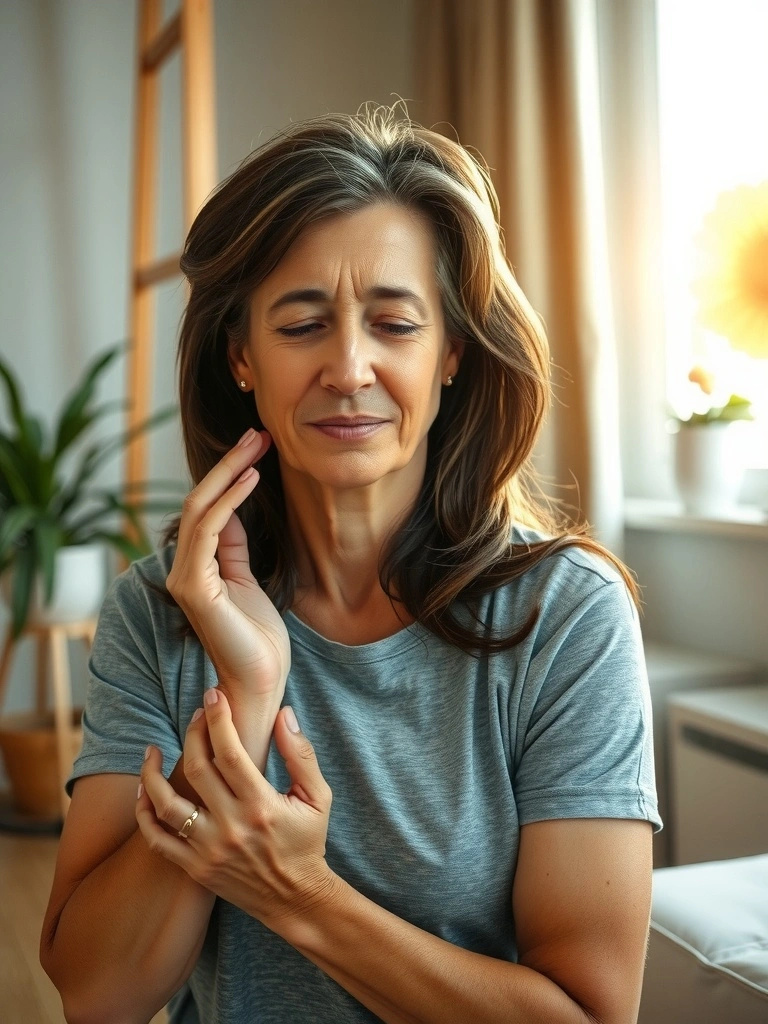
During the menopausal stage, both men and women experience a series of physiological and psychological changes. These transformations are not limited to commonly known symptoms such as hot flashes, night sweats, fatigue, irritability, and anxiety, but are often accompanied by various other equally distressing physical symptoms. One such symptom is "skin prickling," which is a common yet easily overlooked issue for many individuals undergoing menopause. These skin sensitivity problems not only affect daily life but may also signal overall health issues. Early identification and management could effectively prevent serious subsequent problems and restore a healthy lifestyle. This article will provide a professional perspective, exploring the causes of skin prickling during menopause and its related physical symptoms, offering complete self-protection measures along with scientific and diverse solutions, guiding readers to establish a systematic and practical health defense that cares for themselves and protects their loved ones.
I. Understanding the Physical Symptoms of Skin Prickling from Within
1. Clinical Description of Skin Prickling
Skin prickling, professionally known as "paresthesia," often presents itself in forms such as tingling, burning, crawling sensations, or even electric shock feelings. This sensation may be localized to a specific area or may spread to the limbs, back, or face. Unlike simple itching, skin prickling frequently occurs without obvious external injuries, redness, or visible rashes, but can sometimes be accompanied by skin dryness, flaking, or exacerbation at night. After entering menopause, females experience a significant increase in the incidence of this symptom due to decreased estrogen secretion and impaired epidermal barrier function; however, males may also be affected as testosterone levels decline, reducing the skin's resistance to irritation.
2. Possible Cause Analysis
(1) Hormonal Changes: Sudden drops in estrogen and testosterone levels lead to slower skin metabolism and reduced sebum production, resulting in compromised skin barrier function that is more susceptible to external irritation.
(2) Nervous System Sensitivity: During menopause, autonomic nervous system instability may sometimes lead to excessive excitation of nerve fibers, resulting in disturbance of pain and touch sensations.
(3) Chronic Stress and Anxiety: Long-term mental stress and emotional fluctuations can weaken immune function, decreasing skin tolerance.
(4) Immunity Changes: With age, immune activity declines, and the skin reacts more strongly to environmental antigens and irritants.
(5) Poor Nutritional Status: Deficiencies in vitamins A, D, E, B group, as well as insufficient essential fatty acids and trace elements like zinc and copper, can harm skin health and increase nerve sensitivity.
II. Establishing Healthy Habits: Daily Self-Protection Guidelines
1. Adequate Hydration from Within
It is recommended to consume sufficient water daily (approximately 1500~2000ml for females and 1800~2500ml for males), which helps promote internal metabolism and moisturize the skin, enhancing skin tolerance. Drinking water can be divided into eight to ten portions to avoid excessive intake at once.
2. Regular Routine and Stress Reduction
Maintain fixed wake-up and sleep times to ensure more than 7 hours of quality sleep. It is suggested to practice meditation or breathing exercises before bedtime, such as the 4-7-8 breathing technique: inhale for 4 seconds, hold for 7 seconds, and exhale slowly for 8 seconds, repeating four times to effectively reduce sympathetic nervous tension.
3. Balanced Diet
A reasonable intake of high-protein foods (fish, eggs, soy products), healthy fats (olive oil, flaxseed oil), and colorful fruits and vegetables is recommended to enhance the intake of vitamins A, D, E, B group, and minerals like zinc, copper, and selenium. Consuming a handful of nuts (20 grams) daily can significantly strengthen the skin barrier.
4. Gentle Cleansing, Avoid Over-Exfoliation
Use pH5.5 gentle cleansing products for bathing and exfoliate gently 1-2 times a week, avoiding products with high soap, fragrance, preservatives, and alcohol content to reduce skin irritation.
5. Regular Activity
Engage in at least 30 minutes of moderate exercise five days a week (e.g., brisk walking, swimming, gentle yoga) to promote internal circulation, enhance skin nutrient supply, and help reduce neuro-sensitivity.
III. Analysis of Prickling Warning Signals: Common Situations and Responses
1. Skin Prickling After Intense Exercise
After sweating during exercise, the skin barrier may be temporarily damaged. If clean clothes are not changed promptly, the salt in sweat can cause micro-trauma irritation to the skin, leading to a prickling sensation.
Resolution Process:
(1) Immediately rinse the body with warm water (35~37℃) after exercising, avoiding long exposure to sweat.
(2) Gently pat dry with a towel, avoiding vigorous rubbing.
(3) After the body is dry, apply a thin layer of moisturizing lotion to lock in moisture.
2. Skin Prickling in Dry Winter Environments
Cold air accelerates moisture loss from the skin and damages the stratum corneum, making any slight irritation exacerbate the prickling sensation.
Resolution Process:
(1) Keep indoor relative humidity at 40~60%; use a humidifier.
(2) Apply a deep moisturizing lotion containing ceramides twice daily (morning and evening).
(3) Avoid prolonged hot showers; it is recommended not to exceed 10 minutes each time.
3. Skin Prickling During Emotional Stress
Negative emotions such as anxiety and tension can trigger adrenal secretion of cortisol, indirectly lowering skin tolerance and leading to abnormal sensations.
Resolution Process:
(1) Meditate quietly for 10~15 minutes daily and participate in mindfulness yoga classes.
(2) Use sound therapy to relieve stress: listen to healing natural audio, such as 432Hz ocean waves or forest bird songs, once for 20 minutes, once or twice a day.
(3) Create a gratitude journal before bed to positively guide emotions and reduce anxiety.
IV. Comprehensive Non-Medical Self-Relief Program
1. Clothing Protection Recommendations
Choose breathable, elastic clothing made from natural materials like pure cotton, organic linen, and modal, avoiding contact with materials like nylon, wool, and polyester that can easily cause static electricity and friction.
2. Plant Essential Oil Care
Select lavender essential oil, Roman chamomile essential oil, and bitter orange leaf essential oil, all of which have soothing, anti-itching, and calming effects. Usage: Add 2 drops of essential oil to every 10ml of base oil (like jojoba oil) and apply to the areas of prickling after evening bathing, gently massaging for two minutes.
3. Hand Exercises to Relax Nerves
A simple five-minute hand reflex massage: use your thumb to press back and forth on the palms and between fingers, stimulating nerve endings to help alleviate prickling and abnormal sensations.
4. Daily Contact Avoidance
Avoid frequent contact with hot water and solvent cleaners, reduce the use of low-quality shower gels and soaps, and switch to gentle, fragrance-free, low-allergen products.
V. Expert Literature Review
Multiple literature reviews in the dermatology field suggest that proper skin hydration can significantly reduce menopause-related prickling, dryness, and sensitivity symptoms. A 2008 article in the Journal of Skin and Neuroscience indicated that although hormone replacement therapy could provide temporary relief, proper non-drug self-protection measures remain the mainstream for long-term improvement.
The International Menopause Society suggests that stress management learning and psychosomatic therapies (such as mindfulness meditation and music therapy) effectively reduce neuro-sensitivity, and combined use of topical nourishing products can phase-repair skin barriers.
VI. Integrating Natural Therapies with Modern Medical Recommendations
1. Use of Oatmeal and Aloe Vera Baths
Oats contain colloidal components that soothe, relieve, and reduce redness; aloe vera is rich in polysaccharides that promote skin regeneration and alleviate prickling.
Homemade oatmeal bath: Take 100 grams of unseasoned oatmeal wrapped in a cloth bag, soak it in water at 37~39℃ for 15~20 minutes, and use it 2~3 times a week.
2. Dietary Supplement Recommendations
(1) Omega-3 fatty acids (from deep-sea fish oil, flaxseed) repair cell membranes.
(2) Vitamin C (from colorful peppers, kiwis, berries) and Vitamin E (from sunflower seeds, almonds) help with antioxidation and aging delay.
(3) Increase the intake of polyphenol-rich foods (green tea, various berries) to strengthen collagen.
3. Professional Medical Advice
If severe skin prickling is accompanied by redness, peeling, or oozing, or persists without improvement for three weeks, it is advisable to consult a dermatologist for skin imaging or nerve conduction studies. If diagnosed with neuropathic skin lesions, relevant physical therapies may need to be performed, and high-dose B-vitamin regimens may be considered to restore nerve system function.
4. Suggested Case Care Process
(1) Self-Assessment: Record the sites of prickling, severity, occurrence timing, and accompanying conditions daily for at least two weeks.
(2) Establish a home mini first-aid kit: Prepare a mild, fragrance-free soothing gel (like pure aloe vera gel) for local application upon acute prickling.
(3) Family Support: Help family members understand menopausal skin conditions and collaborate, boosting supportive motivation.
VII. Self-Enhancement and Psychological Adjustment
1. Actively Facing Change
Instead of suppressing or ignoring bodily changes, it is recommended to adopt a positive attitude toward menopause, viewing it as a new life stage rather than an illness. Regular participation in relevant health seminars or support groups can also help reduce feelings of loneliness and helplessness.
2. Continuous Learning and Sharing
Create a health notebook to document daily skincare experiences and areas for improvement, regularly organizing menopausal health knowledge, and sharing experiences with friends and family to translate learned outcomes into practical actions.
3. Specific Sound Therapy Recommendations
(1) Listen to 528Hz gentle music every morning after waking up and before sleep, which helps with cell repair and relaxation.
(2) Combine with aroma therapy (for those not allergic to fragrances): diffuse Roman chamomile and lemon balm for 30 minutes each time, ideally in well-ventilated conditions.
VIII. Establishing a Personalized Health Defense During Menopause
Once you understand the physical causes of skin prickling and sensitivity, along with a regular self-care plan, emotional management, and dietary rehabilitation, you can effectively improve quality of life during menopause. Menopause is a significant milestone in life, and through scientific and routine self-management in conjunction with professional medical advice, not only can one navigate this transition, but also build a robust health defense that revitalizes the skin and fosters holistic wellbeing.
In summary, regardless of whether it is men or women facing skin prickling during menopause, utilizing a balanced diet, exercise, daily self-protection, and mindfulness management, while consciously adjusting life habits, can transform warning signals of prickling into an opportunity for health activation. Even when faced with multiple changes, one can confidently and calmly respond to future selves.