
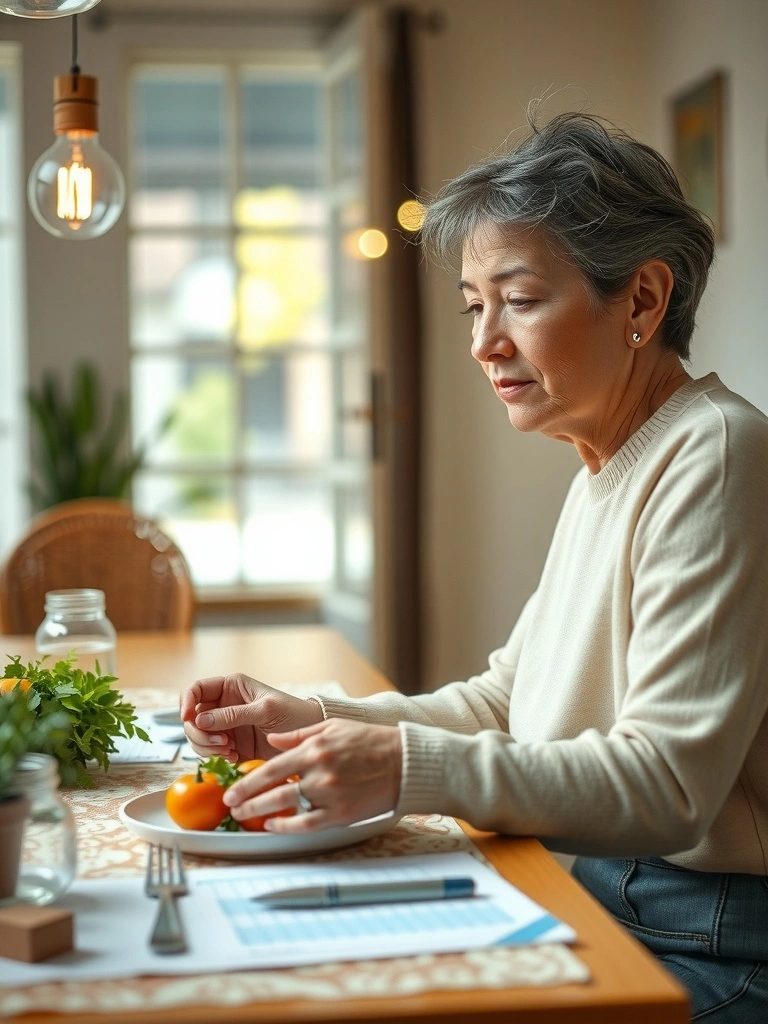
Physical symptoms, balanced dietary plans, joint pain, and scientific dietary strategies to relieve joint discomfort and enhance physical vitality
Menopause is a challenging stage of life that every woman and man may experience. Although the manifestations and mechanisms of menopause differ slightly between genders, physical symptoms during this stage often become significant factors contributing to a decline in quality of life. Common issues such as mood disorders, hot flashes, sleep disturbances, weight gain, and reduced metabolism are prominent, especially joint pain and decreased mobility, which significantly affect daily self-perception. This article will analyze these symptoms from a professional perspective, explore potential causes, integrate cutting-edge scientific dietary strategies and self-relief solutions, and propose concrete and feasible balanced dietary plans to help readers effectively manage joint pain and enhance physical vitality.
1. Analysis of Joint Pain and Physical Symptoms during Menopause
Most people associate menopause with hormonal changes that lead to irritability and mood swings, but many overlook the invisible stress on bones and joints. After entering menopause, women experience a rapid decline in estrogen, which accelerates bone loss and triggers conditions like osteoarthritis, resulting in pain in areas such as the knees, neck, and lower back. Men, on the other hand, face decreasing testosterone levels, which diminish their ability to maintain and repair skeletal muscle, potentially leading to muscle loss, joint discomfort, and stiffness. Without proper adjustments to lifestyle and dietary habits, physical vitality will further decline.
According to multiple clinical journals and medical literature, the occurrence of joint pain among menopausal individuals exceeds 40%, with increasing studies indicating that "chronic low-grade inflammation" and lifestyle factors such as poor diet, excessive socializing, and lack of exercise are closely related.
2. In-depth Exploration of Causes — From Hormones to Lifestyle
1. Hormonal fluctuations: Decreased secretion of estrogen and testosterone weakens synovial fluid secretion, bone metabolism, and maintenance, exacerbating cartilage wear, leading to pain and limited movement.
2. Changes in body composition: Menopause increases visceral fat and body weight, putting more stress on the joints. Inflammatory factors secreted by fat tissue, such as tumor necrosis factor-alpha (TNF-α) and interleukin-6, can worsen joint inflammation.
3. Lifestyle influences: Prolonged sitting or standing and lack of regular exercise slow the circulation of synovial fluid, resulting in insufficient cartilage nutrition and reduced muscle and joint flexibility.
4. Dietary imbalance: High intake of refined sugars, trans fats, saturated fats from animal sources, and low consumption of fruits and vegetables can increase oxidative stress and inflammatory responses in the body, triggering joint disorders.
3. Specific Solutions and Deep Self-Repair Strategies
1. Balanced dietary plan — A science-based diet for joint self-healing
1. Consume high anti-inflammatory nutrient foods
Foods rich in Omega-3 fatty acids (such as flaxseed oil and deep-sea fish like salmon and mackerel, 2-3 times a week, about 100-150g each time) should be heavily incorporated, as they help reduce inflammation and protect joints. It is recommended to supplement 5-10g of flaxseed oil and 100g of vegetables daily, combined with phytonutrient-rich vegetables like onions, garlic, asparagus, and broccoli to enhance the body's antioxidant capacity.
2. Increase protein intake to maintain muscle and bone
It is recommended to consume 1.0-1.2g of high-quality protein per kilogram of body weight daily. For an average adult in Taiwan weighing 60kg, this equates to about 60-72g of protein each day, which can be sourced from tofu, fish, chicken breast, eggs, and dairy products. It is advisable to avoid red meat and excessive processed foods to reduce the production of inflammatory substances.
3. Moderate whole grains and fiber
Regular consumption of whole grains like brown rice, oats, buckwheat, and job's tears (at least 150-200g daily) not only promotes the growth of beneficial gut bacteria but also stabilizes blood sugar levels and reduces inflammation.
4. Supplement with vitamin D and calcium
Vitamin D3 (1000-2000 IU daily) combined with calcium (recommended daily intake of 800-1200 mg, sources can include small dried fish, sesame, and dairy) can strengthen bone density. It is advised to have 15-20 minutes of morning sun exposure along with the above dietary intake.
5. Avoid high refined sugars and trans fats
Avoid sugary drinks, cookies, cakes, and fast food. Strictly limit daily refined sugar intake to no more than 25g, and saturated fat to no more than 10% of total daily calories, while trans fats should ideally be eliminated.
6. Use green tea and turmeric
Drink 2-3 cups of strong green tea daily (recommended water temperature 80-90°C, brewing 300ml each time for 3-4 minutes) as green tea polyphenols have strong antioxidant properties. Each week, consume fresh turmeric (2-5g each time for soups or stir-fries) 2-3 times to further improve chronic inflammatory responses in the body.
2. Expert-recommended lifestyle practices
1. Sound therapy to alleviate stress and pain
According to literature from the International Music Therapy Association, the pure frequency music at 432 Hz has been shown to reduce chronic joint pain and anxiety. It is recommended to choose 432 Hz music or natural sounds (like forests or streams) daily, using quality headphones for 15-30 minutes, combined with breathing exercises. Sessions can be done upon waking or before sleep for 2-3 weeks, with studies showing significant reductions in inflammatory factors.
2. Optimize cooking methods to reduce oxidative burden
It is advisable to focus on steaming, boiling, stewing, and mixing as lower temperature cooking methods, while avoiding frying or charcoal grilling. Low-temperature cooking can reduce the formation of advanced glycation end products (AGEs) and mitigate oxidative stress on joints.
3. Regular gentle exercise
Engage in low-impact aerobic exercises (like brisk walking, swimming, or yoga) at least 3-5 times a week for 30-40 minutes, combined with light stretching and strength training (using resistance bands or dumbbells) to promote synovial fluid circulation, strengthen muscles to protect joints, and enhance daily vitality.
4. Stress management and mindfulness meditation
Stress is a significant hidden enemy that exacerbates arthritis in modern individuals. Allocating 10-15 minutes daily for mindfulness meditation practice to focus on breathing and sensing the flow between the body and the external environment can help reduce the stress hormone cortisol and improve joint discomfort.
5. Maintain a healthy weight
For every 1 kg increase in weight, the knees endure an additional 3-5 kg of load, making weight management crucial. Weighing oneself 1-2 times weekly and adjusting according to BMI standards is recommended.
3. Advanced natural therapy applications
1. Hydrotherapy and heat application
Soaking in warm water (40-42°C for 15-20 minutes) can promote blood circulation and alleviate stiffness and pain. A heating pad can also be applied to the joints, wrapped in a towel and heated, applied to painful areas for 15 minutes, 2-3 times daily, which has been shown to effectively alleviate joint discomfort during weather changes.
2. Essential oil massage
Lavender, rosemary, and ginger essential oils can be selected, diluting 3-5 drops in a carrier oil (like 10ml sweet almond oil), applying it to the painful area, and performing circular massages. This helps relax muscles and relieve stiffness, with sessions lasting 10 minutes, 2-3 times a week.
3. Herbal and botanical support
According to modern pharmacological studies, herbs like Angelica sinensis, Eucommia ulmoides, Astragalus, and turmeric have positive effects in promoting meridian circulation and reducing inflammatory responses. It is recommended to choose suitable herbal products under the guidance of a professional physician for assistance in improvement.
4. Self-improvement and learning new skills
1. Choose to learn a musical instrument or engage in artistic creation
Psychological studies indicate that learning piano, ukulele, or practicing painting and calligraphy can distract from bodily discomfort, elevate positive emotions, and thereby enhance personal enjoyment, reducing the psychological pressure of physical pain.
2. Create a "daily wellness activity schedule"
Incorporate diet, exercise, mindfulness, and sound therapy into a daily plan, recording and encouraging oneself upon completing each task. Long-term internalization of health behaviors can gradually form good habits, helping to enhance overall physical and mental health.
5. Advanced medical strategies and referral suggestions
1. If joint pain is severe, timely consultation with rehabilitation, orthopedic, or nutritional specialists is recommended for joint ultrasound and bone density testing to rule out severe osteoarthritis or other structural issues.
2. Supplementing with exogenous hormones may be considered if indicated. Women can consider estrogen therapy under medical guidance to minimize the risk of side effects. Men may also supplement with testosterone therapy as needed to adjust to a reasonable physiological range.
3. Physical therapy/exercise therapy
A professional physical therapist can provide individualized rehabilitation training targeting knee, spine, and neck recovery. Techniques such as heat application, ultrasound therapy, and joint mobilization can promote joint function recovery.
4. Acupuncture, laser, or PRP (platelet-rich plasma) therapy
Select based on individual health conditions to improve local blood flow and accelerate repair, reducing chronic inflammation.
4. Process planning and daily scene design
To enhance the operability of the plan, it is advisable to integrate the above content into a daily routine divided into the four phases of "Morning - Pre-lunch - Afternoon - Before sleep":
**Morning**
Drink a cup of warm water with 1 tablespoon of flaxseed oil, listen to 432 Hz sound therapy for 15 minutes, perform simple stretching for 5 minutes, and practice mindful breathing.
**Pre-lunch**
Have a balanced meal (brown rice/oats + vegetables + quality protein), and a cup of green tea. Keep active with a slow walk or light activity for 30 minutes after meals.
**Afternoon**
During work breaks, apply a heat pack to the neck and knees and enjoy a cup of hand-brewed turmeric tea. Schedule time for relaxed artistic creation to distract from pain.
**Before sleep**
Engage in 432 Hz sound therapy for an additional 15-30 minutes, perform a full-body relaxation stretch for 10 minutes, massage shoulders and neck with lavender essential oil, and fill out a gratitude journal.
5. Embedding Dietary and Self-Care Practices into Daily Life
Menopause may be unavoidable, but one can achieve optimal health through correct diet, reasonable exercise, stress management, emotional self-help, and timely medical intervention. Diet is the trigger for self-healing; through scientifically rigorous dietary plans and lifestyle strategies, one can not only reverse or delay joint pain but also ignite the spark of life’s vitality—filling every day with healthy and confident action.
Remember, each person is the guardian of their own health. Even in the unpredictable phases of menopause, by combining reason and action, physical vitality and youthful energy can continue to flourish.