
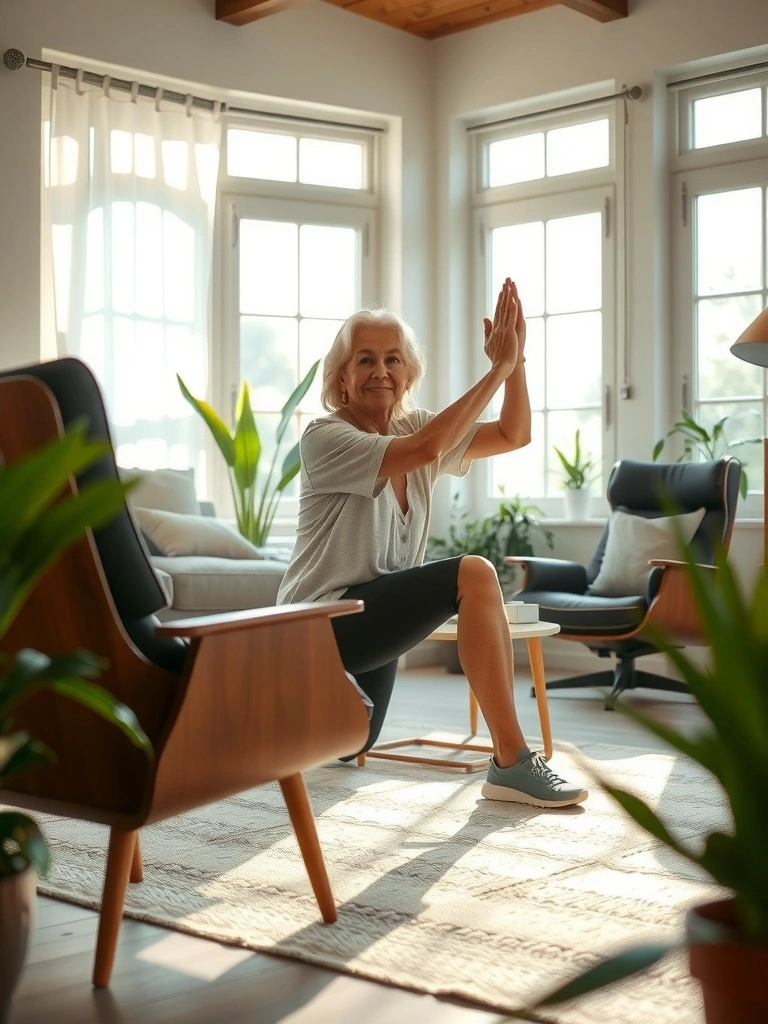
Entering menopause, both men and women will face a gradual change in their bodies, with bone and joint health being an important issue that cannot be ignored. The hormonal fluctuations brought by menopause lead to increased bone loss and diminished joint lubrication, causing many middle-aged individuals to experience joint stiffness, pain, and even affecting their daily activities. At this stage, effectively safeguarding bones and joints and creating a healthy and supportive home environment can not only alleviate discomfort but also prevent future problems related to disability and mobility limitations. This article will explore the common and unique challenges faced by men and women during menopause concerning bone and joint protection, analyze the reasons behind these challenges, and offer diverse and detailed lifestyle optimizations, natural remedies, professional medical advice, and innovative knee support proposals to help readers regain a flexible life.
1. Causes of Bone and Joint Health Issues During Menopause
1. Hormonal Changes
In women, menopause is characterized by a significant decrease in estrogen, while in men, there is a gradual decline in testosterone. The disappearance of estrogen accelerates bone loss, increasing the risk of osteoporosis, while men, due to hormonal slowdown, experience reduced repair capability of joint cartilage. Both genders become more susceptible to joint degeneration.
2. Age-Related Joint Wear
As age increases, bone metabolism slows down, joint cartilage thins, and lubricating fluid decreases; compounded by cumulative damage from past physical activities, poor posture, or overuse, crucial weight-bearing joints like knees and hips are more prone to wear and pain.
3. Lifestyle Environment and Bad Habits
Prolonged sitting, standing for long durations, lack of exercise, and being overweight all exacerbate joint burdens. Additionally, a poorly designed home environment (such as hard flooring or lack of anti-slip measures) may lead to unnecessary falls or sprains.
4. Association with Overall Health Conditions
Chronic diseases such as diabetes, hypertension, and metabolic syndrome can worsen joint aging; an unbalanced diet and insufficient nutrient intake can disrupt bone nutrition and repair mechanisms.
2. Optimizing Living Environment: Creating a Joint-Friendly Home Space
Optimizing the home environment is the foremost step to prevent further joint damage and promote mobility. Specific suggestions include:
1. Non-Slip and Soft Flooring Design
Choose high-elastic, non-slip mats (such as EVA material or rubber mats), especially in areas prone to moisture like bathrooms, kitchens, and entrances. Place small soft mats beside beds or sofas to cushion the pressure on knee joints when getting up.
2. Furniture Height and Design
Chairs and sofas should be of a height that allows the knees and hips to form a 90-degree angle to facilitate standing up. Opt for chairs with armrests to assist those with insufficient strength to stand safely. Kitchen cabinets and dining tables should consider ease of operation while standing or sitting, reducing the frequency of bending or squatting.
3. Planting Relaxing Plants
Planting aromatic plants like lavender or rosemary at home can create a stress-reducing atmosphere in sleep and activity areas, promoting joint recovery and relaxation.
4. Sunlight Area and Exercise Zone
Plan a small balcony or window area for sun exposure to receive natural light daily, promoting vitamin D production, which is beneficial for bone health. Create a soft yoga mat area for joint-friendly exercises like stretching, tai chi, and joint mobility exercises.
3. Non-Medical Solutions for Bone and Joint Health
1. Dietary Adjustments
- Consume high-quality proteins (fish, chicken breast, soy products, eggs)
- Increase intake of calcium and vitamin D-rich foods (small dried fish, dark green vegetables, sesame seeds)
- Include fruits in daily diet, like kiwi and citrus, to enhance antioxidant capacity
- Supplement collagen (e.g., from pig feet, chicken skin, fish skin) and Omega-3 fatty acids (from deep-sea fish) to strengthen cartilage repair.
2. Joint Sound Therapy
Research shows that soothing music at 432Hz helps relax emotions and reduce inflammatory responses in arthritis. It is recommended to listen to 432Hz solo piano or nature sound music through headphones for 15-30 minutes daily before sleep or during meditation for at least 6 weeks while monitoring personal feelings for appropriate adjustments.
3. Application of Joint Supports and Assistive Devices
The market offers professionally designed knee braces made from elastic fabrics lined with medical-grade silicone padding, which can disperse pressure and provide stable support. It is advisable to wear these during stair climbing, long-distance walking, and exercising to avoid sustained pressure.
4. Home Self-Yoga/Stretching
Simple yet effective joint movements such as "cat-cow stretch," "downward dog," or easy seated knee lifts can be done three sets daily, with 5-8 repetitions per set, to improve joint flexibility and reduce stiffness.
5. Alternating Hot and Cold Compresses
When there is heat swelling or acute pain in joints, applying a cold compress for 15 minutes can help suppress inflammation; for chronic stiffness or pain, hot compresses (40-45 degrees Celsius hot water bottle) can promote blood circulation and alleviate adhesion. It is recommended to choose based on actual symptoms.
4. Expert Literature Perspectives: Scientific Basis for Bone and Joint Reconstruction
- A study published in the journal Osteoarthritis and Cartilage in 2023 pointed out that moderate regular aerobic exercise, such as walking briskly, jogging, and swimming, effectively delays joint cartilage degeneration. Additionally, those who engage in exercise at least three times a week after menopause have a 20% lower incidence of joint injuries.
- The International Guidelines for Osteoporosis emphasize that the daily intake of dietary calcium should reach 1200mg, with vitamin D ranging from 1000-2000 IU, combined with sunlight exposure and weight training exercises, significant for maintaining bone density in postmenopausal women. Men should also focus on protein intake and avoid excessive weight loss.
- Joint health supplements: Glucosamine and chondroitin have been observed over the long term to slow joint wear and inflammation. Experts recommend choosing products manufactured by reputable pharmaceutical companies and following medical advice for use.
5. Self-Relief and Natural Therapies: Creating a Home Knee Support Field
- Massage with Essential Oils
Choose rosemary, peppermint, or frankincense essential oils diluted in a carrier oil (like sweet almond oil) at a 1:3 ratio, and slowly massage the knees and ankles for 5 minutes each morning and evening to help relieve pain and reduce swelling.
- Natural Anti-Inflammatory Drinks
Turmeric milk (using 2 grams of turmeric powder and 300ml low-fat milk or oat milk, simmered for 5 minutes) and black sesame walnut paste (15 grams each of black sesame and walnuts, with three red dates boiled into a paste) can be consumed daily to help reduce joint inflammation and provide calcium supplementation.
- Tapping and Meridian Stimulation
Each morning, tap the front thighs and around the knee joints (using a massage stick or hands) for 30 taps on each side to promote blood circulation and reduce morning stiffness.
- Hot Stone Therapy
Gently press heated flat stones (about 50 degrees Celsius) around the knees for 10 minutes, aiding in deep relaxation of muscles and pain relief.
6. Innovative Proposals: New Designs for Home Knee Support Fields
- Smart Temperature-Controlled Knee Brace Device
A wearable smart knee brace equipped with a temperature control chip supports hot compress options of 40-50 degrees Celsius. Wearing it for 20 minutes before sleep can simulate a professional hot compress treatment and connect to a smartphone via Bluetooth to track joint activity data for health monitoring.
- 3D Air Cushion Mat
Place 3D structured air cushions in living rooms and beside beds, effectively absorbing the rebound force when the knee joints move, reducing joint load, particularly suitable for older adults who spend long periods at home.
- Intermittent Resistance Elastic Band Training
Utilizing ultra-light rubber resistance bands for knee bends and leg extensions at home, performing once in the morning and evening for 10 minutes each, effectively trains the quadriceps and hamstrings, enhancing joint stability and flexibility.
- Protective Pathway Design
Add non-slip mats and removable handrails to commonly used pathways at home (such as from the bedroom to the bathroom or from the kitchen to the entrance) to effectively prevent falls while providing joint support, especially for those with degenerating knees.
7. Professional Medical Interventions and Personal Self-Improvement Suggestions
1. Medical Care Intervention
If joints show signs of redness, obvious deformity, or severe pain, seek medical attention for joint ultrasound, X-rays, or MRI examinations. Doctors may arrange for hyaluronic acid, PRP, or steroid injections based on the condition or recommend rehabilitation physical therapy. In cases of severe osteoporosis, consider biopharmaceuticals or bisphosphonate medications according to health guidelines.
2. Self-Improvement Lifestyle Adjustments
- Sleep before 11:00 PM each night, ensuring 6-8 hours of deep sleep to promote growth hormone secretion and tissue repair.
- Drink an adequate amount of warm water to boost metabolism and detoxification.
- Schedule morning exercise and evening relaxation stretching daily to establish healthy habits.
- Learn emotional management and stress release techniques (such as mindfulness meditation or keeping a feelings journal).
3. Long-Term Planning and Goal Setting
- Set up self-assessment for joint health every three months (such as recording pain scores or range of motion).
- Find exercise partners or join wellness groups to enhance interaction and self-responsibility.
8. Conclusion
Protecting bone and joint health during menopause requires a clear understanding of one’s own condition, integrating scientific verification with natural adjustments, and comprehensively optimizing everything from the home living environment to daily behavioral details. Creating a personal knee support field involves more than just placing some knee pads or improving space; it encompasses an all-encompassing strategy that integrates diet, exercise, sound therapy, natural remedies, and modern medical care. Good family support and a proactive attitude are the most crucial keys to maintaining mobility. Every stage of life deserves to be cared for attentively, and with timely action, it is possible to regain a flexible and comfortable life at this important transitional moment of menopause, leading to a new chapter in a healthy life.