
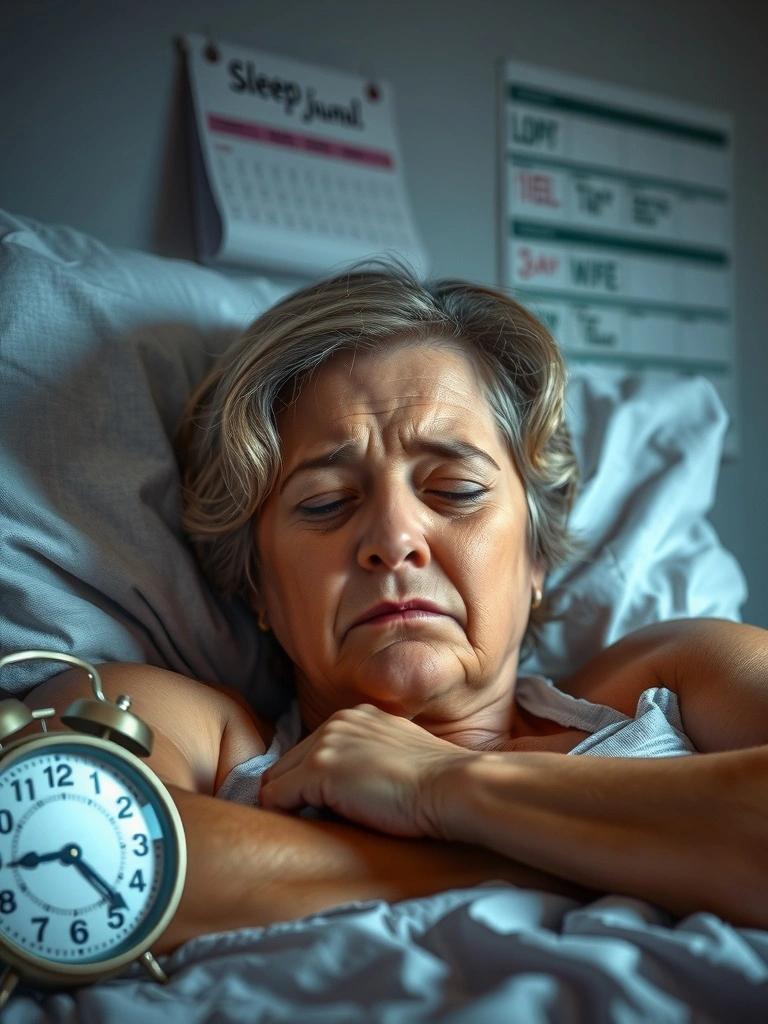
Menopause often considered a stage of life that only women experience, is actually not limited to them; men also undergo a series of physiological and psychological changes due to hormonal fluctuations. Sleep disturbances are a common issue for both menopausal men and women and manifest in various ways, including difficulty falling asleep, waking up in the middle of the night, vivid dreaming, waking too early in the morning, and declining sleep quality. These problems not only diminish daytime energy but also further impact emotional stability, concentration, enthusiasm for life, and overall physical and mental health. This article will explore common causes of sleep disturbances during menopause supported by scientific evidence, delve into self-protective measures, natural remedies, expert recommendations, lifestyle adjustments, and concrete solutions, with the aim of helping every individual going through menopause to once again embrace restful nights and restore a vibrant life.
I. Analysis of Causes of Sleep Disturbances During Menopause
(A) Hormonal Fluctuations
During menopause, women's estrogen and progesterone levels decrease, directly interfering with the brain's mechanisms that regulate sleep. Estrogen helps stabilize mood and regulate the body's response to temperature, while progesterone has a calming effect that promotes sleep. When these hormones decline, it can trigger hot flashes, night sweats, and palpitations, leading to frequent awakenings or difficulties in falling asleep.
In men during menopause, testosterone secretion weakens. Testosterone helps maintain deep sleep and relieve stress, so its reduction often leads to nighttime awakenings and shallow sleep, commonly accompanied by feelings of depression and increased stress.
(B) Psychological Stress and Life Changes
Menopause often accompanies multiple pressures related to family, career, and health. This stress keeps the brain in an excited state, affecting the speed of falling asleep and the continuity of sleep. At the same time, middle-aged individuals' anxieties about the future and redefinition of their self-roles exacerbate insomnia and occurrences of vivid dreaming.
(C) Physiological Illnesses and Medication Side Effects
Common ailments in menopausal individuals such as hypertension, chronic pain, nocturia, and respiratory disorders (like sleep apnea) may interfere with deep sleep at night. Additionally, certain medications (such as cardiovascular drugs and hormone preparations) may also produce side effects that impact sleep quality.
(D) Deteriorating Lifestyle Habits
Excessive consumption of coffee, strong tea, and alcohol before bed, prolonged periods of inactivity, and excessive reliance on electronic devices all contribute to diminishing the body's natural sleepiness, causing difficulties in falling asleep and frequent dreaming.
II. Self-Protective Strategies and Lifestyle Planning
(A) Establish Regular Sleep Patterns
1. Fixed Bedtime and Wake Time: It is recommended to sleep and wake up at the same time every day, even on weekends, to help stabilize the biological clock.
2. Pre-Sleep Rituals: Gentle foot soaks, reading printed books, or engaging in light stretching can become subconscious signals for sleep, helping the body gradually relax.
(B) Create an Ideal Sleep Environment
1. Keep the Bedroom Dark, Quiet, and Ventilated: It is recommended to use blackout curtains, noise-reducing earplugs, or white noise machines to effectively block out environmental noise.
2. Adjust Room Temperature to 18-22°C: Nights that are too cold or too hot can affect comfort. Appropriate bedding choices (like breathable comforters and skin-friendly pillows) are also important.
(C) Dietary and Exercise Adjustments
1. Avoid high-fat, high-sugar, spicy, and caffeine-containing beverages three hours before sleep.
2. Foods rich in tryptophan and magnesium (like bananas, oats, pumpkin seeds, and salmon) can help regulate the nervous system and promote sleep.
3. Engage in aerobic exercise 3-5 times a week (like brisk walking, swimming, or aerobic dance), preferably in the afternoon or evening, avoiding exercising right before bed.
(D) Management of Electronic Device Use
One hour before bed, stay away from phones, TVs, and tablets to prevent blue light from affecting melatonin secretion. It is recommended to wear blue light-blocking glasses and, if necessary, set phones to night mode to reduce blue light exposure.
III. Concrete Solutions for Sleep Disturbances
(A) Self-Regulation for Dream Disturbances
Frequent dreaming often results from the brain's inability to enter deep rest due to frequent sleep stage transitions. Try the following step-by-step self-regulation techniques:
1. Write Down Worries: Spend 5 minutes before sleep writing down worries, telling yourself that you do not need to address them tonight; you can deal with them tomorrow.
2. Deep Breathing Meditation: Focus on each deep breath, imagining that each exhale releases stress. It is recommended to repeat this for 10-15 minutes each night before bed.
3. Manage Intrusive Thoughts: If you wake up in the middle of the night filled with dreams, softly suggest to yourself, "Now is not the time to think," to assist in falling back asleep.
(B) Sound Therapy Solutions
International sleep experts recommend 432Hz and 528Hz frequencies as the best choices for promoting relaxation and restoration. You can follow these steps:
1. Choose a music streaming platform designed for sleep assistance, enter 432Hz or 528Hz, and select background sounds of nature (such as babbling brooks, birdsong, rain sounds, etc.).
2. It is suggested to start playing this 30 minutes before sleep, keeping the volume slightly louder than the heartbeat to ensure it does not affect subsequent deep sleep, allowing for continuous playing throughout the night.
3. If headphones are needed, be sure to choose comfortable, non-pressuring sleep headphones.
(C) Aromatherapy
Certain essential oils can help relieve anxiety and relax the nerves:
1. Lavender Essential Oil: It has a calming effect that helps sleep and relieves stress. Use a diffuser to add 3-5 drops of lavender essential oil before sleep, or add 2 drops to hot water and inhale the steam.
2. Bergamot or Sweet Orange: These can help alleviate low spirits and enhance feelings of joy and can also be blended with lavender for use.
(D) Recommendations from Professional Literature
According to several international sleep medicine papers, maintaining regular routines, cognitive behavioral therapy (CBT), and moderate physical relaxation exercises can alleviate long-term insomnia.
1. Participants can join CBT-I (Cognitive Behavioral Therapy for Insomnia) online courses or consult a sleep therapist.
2. Continuously maintain a sleep diary to track daily sleep times, waking times, and daytime alertness, assisting medical professionals and personal adjustments.
IV. Natural Remedies and Non-Pharmaceutical Solutions
(A) Traditional Chinese Medicine Adjustments
For women experiencing night sweats and difficulty sleeping, a medicinal diet focused on kidney replenishment and calming the mind (such as sour jujube seed soup or Tian Wang Bu Xin Dan) may be selected; for men, the core should be nurturing the body and regulating liver energy. It is recommended to seek evaluation from a certified traditional Chinese medicine practitioner for personalized adjustments.
(B) Body Scan Technique
1. Lie still on the bed and gradually move awareness from the toes to the head, observing the sensations, pressure, and temperature in each area, gradually releasing tension.
2. This technique, combined with slow deep breathing, can significantly lower heart rates and induce natural sleepiness.
(C) Mindfulness Meditation Practice
1. Dedicate 20 minutes daily to mindfulness meditation, focusing on each breath and present moment feelings without pursuing any specific outcome.
2. Consistency in practice can help reduce anxiety, re-establish mind-body balance, and improve sleep quality.
V. Medical Recommendations and Professional Symptom Management
(A) Seek Medical Assistance When Necessary
If sleep does not improve after self-adjustment for an extended period (more than a month severely affecting life), it is advisable to consult a specialist in psychosomatic medicine, psychiatry, or a sleep center early.
1. Various sleep tests (such as Polysomnography) can be conducted to identify underlying issues (such as periodic limb movements, obstructive sleep apnea, etc.).
2. Hormone replacement therapy (HRT): For individuals confirmed to have significantly insufficient hormones after assessment, women may consider low-dose estrogen preparations or plant-based hormones (such as soy isoflavones), and men may choose testosterone supplementation. Continuous monitoring by a doctor is necessary for side effects and efficacy.
(B) Short-term Medication Guidance
Short-term sleep medications (such as melatonin or specific sleeping pills) should only be taken when necessary (such as for important events or severe anxiety) under a doctor's guidance. One should avoid self-prescribing large amounts or prolonged use to prevent dependency and side effects.
VI. Self-Improvement and Lifestyle Restructuring Suggestions
(A) Cultivate New Life Interests
Menopause marks the beginning of another phase in life; both men and women are encouraged to actively engage in interesting activities such as art, gardening, crafts, and travel, which can help alleviate stress and reduce anxiety about sleep. Participating in community activities and volunteer services can help satisfy the spirit and share experiences.
(B) Practice Gentle Self-Talk
If unable to sleep at night, avoid blaming oneself and repeatedly affirm, "I deserve a good night's sleep" and "This is just a process of adjustment for my body," replacing self-criticism with self-support to enhance confidence and peace of mind.
(C) Maintain Regular Social Interactions
Regularly gathering with friends and family and nurturing interpersonal interactions can provide emotional support and uplift mood, indirectly improving sleep.
Conclusion
The sleep disturbances, erratic routines, and vivid dreaming brought on by menopause are not insurmountable challenges. All individuals only need the correct understanding and in-depth knowledge of the symptoms and causes, combining regular routines, creating a suitable sleep environment, implementing healthy dietary and exercise plans, and effectively utilizing sound therapy, aromatherapy, and scientific and medical strategies, to have the chance to embrace restful nights once again. Every night of tranquility and stability will add rich colors to your menopausal life.